Preservando el Legado de la Dra. Lucile Cruz Arellano Gajec
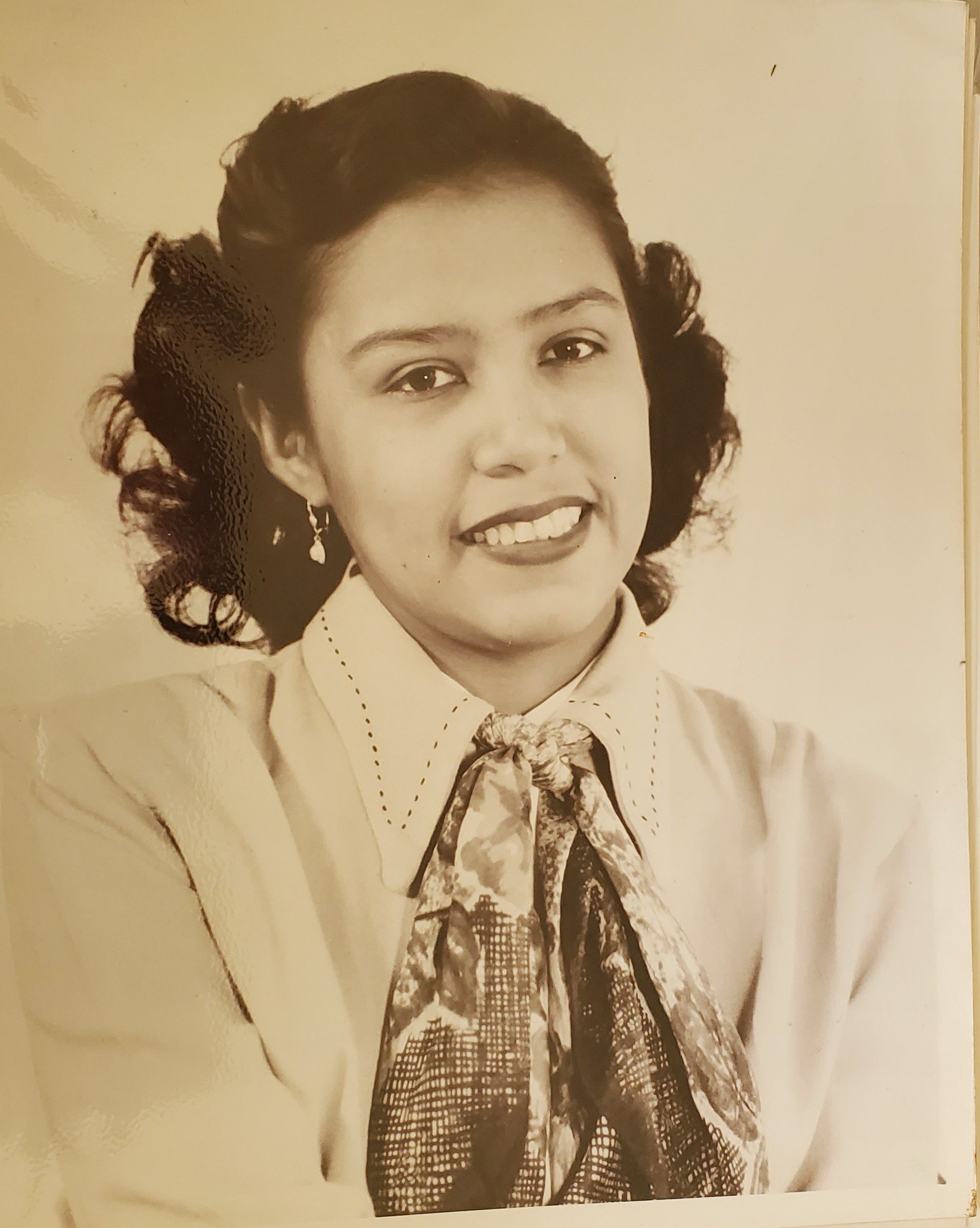
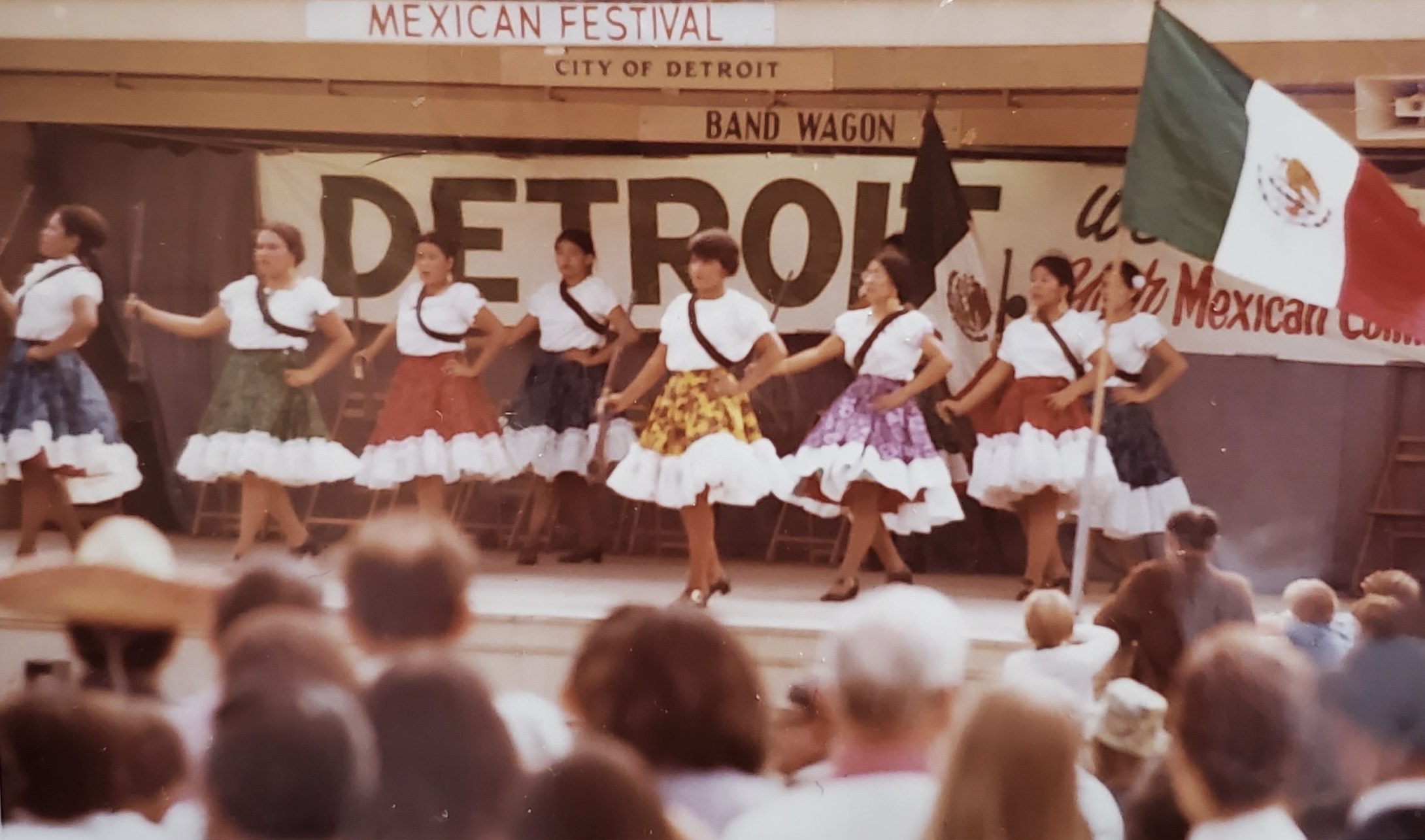
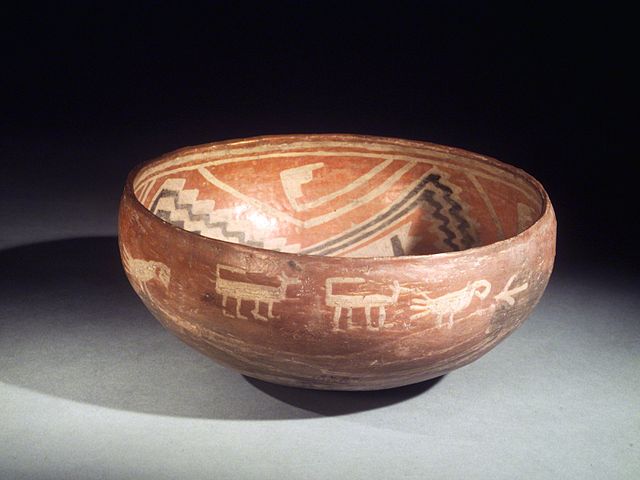
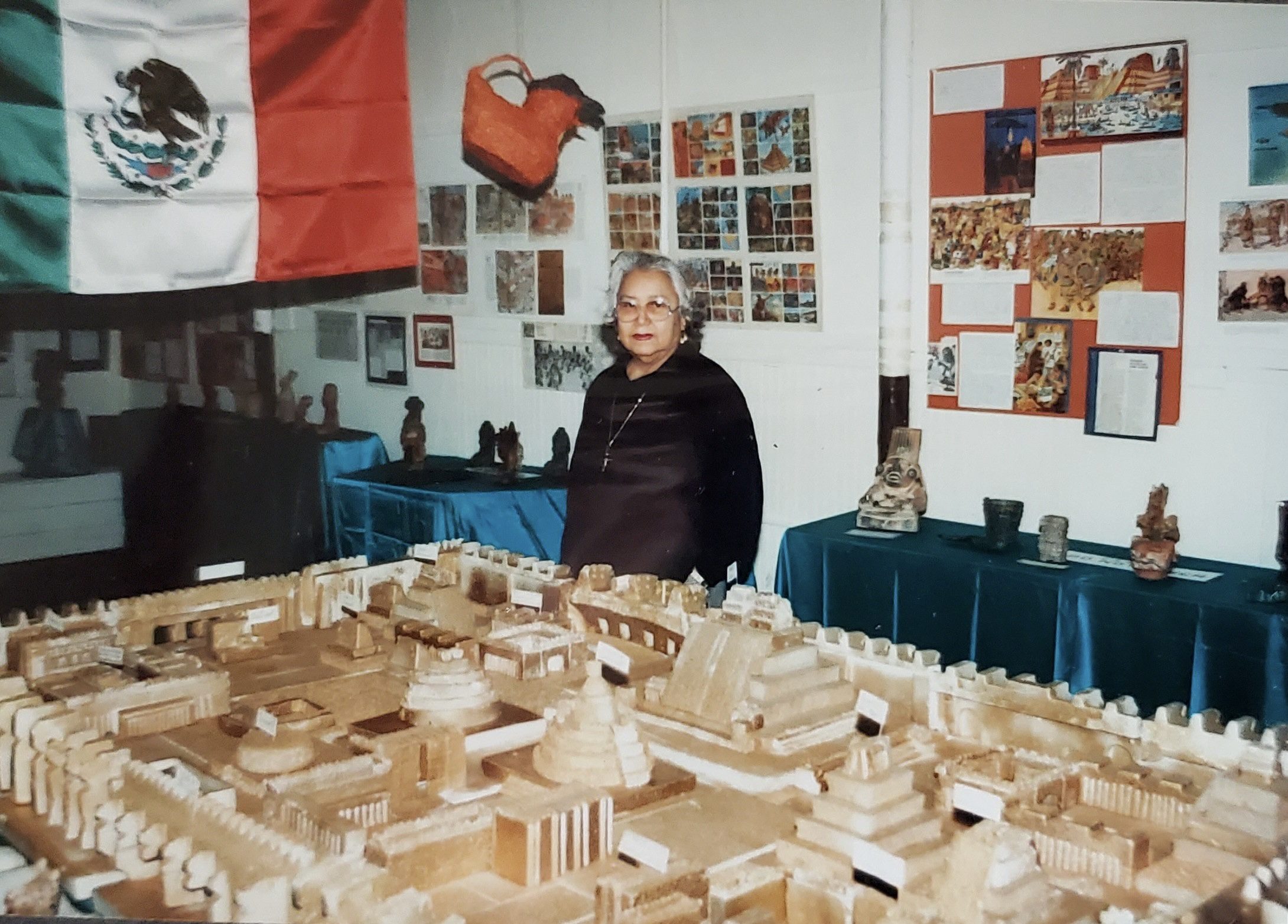
La iniciativa del Museo Indigenista está dedicada a salvaguardar y compartir la extraordinaria colección de la Dra. Lucile Cruz Arellano Gajec (1926–2019), una pionera historiadora comunitaria y organizadora cultural en el suroeste de Detroit. La Dra. Gajec pasó décadas recopilando, investigando y exhibiendo el patrimonio cultural indígena de las comunidades mexicanas y mexicoamericanas, y finalmente fundó el Museo Indigenista en 1991. Durante más de una década, el museo ofreció a los habitantes de Detroit acceso gratuito a artefactos, textiles, instrumentos, cerámica e incluso una maqueta detallada de Teotihuacán—recursos que llenaban los vacíos dejados por los planes de estudio locales y que celebraban una historia cultural con demasiada frecuencia pasada por alto.
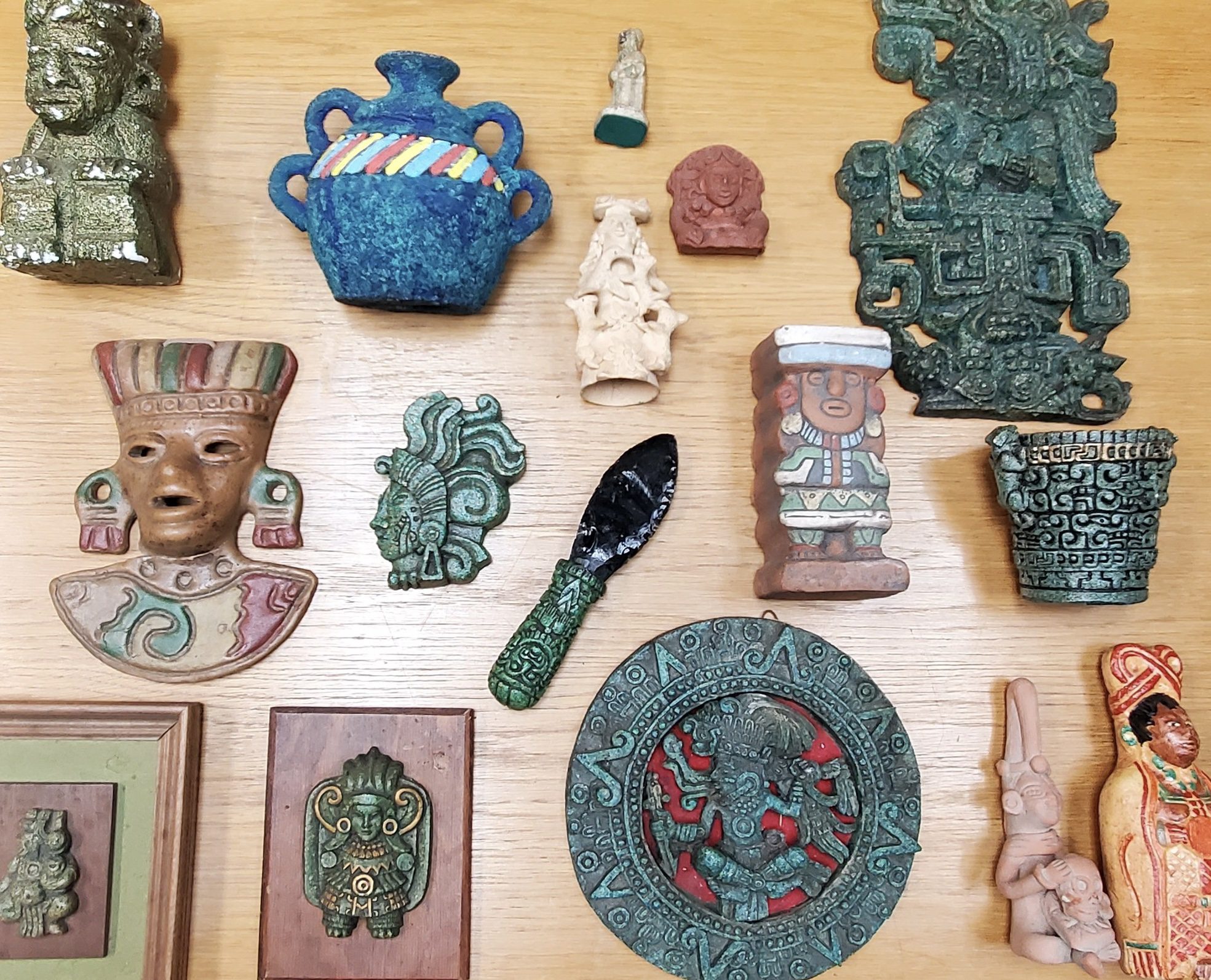
Hoy en día, la colección de la Dra. Gajec—más de 1,500 artefactos actualmente almacenados en más de 45 cajas—está en riesgo de deterioro y permanece en gran medida inaccesible. La colaboración con BAA garantiza que su trabajo y visión no se pierdan. A través de esta iniciativa, estamos:
- Digitalizando y Catalogando cada pieza de la colección, creando un archivo digital de libre acceso para investigadores, educadores y miembros de la comunidad.
- Preservando y Reacondicionando los materiales en contenedores de calidad archivística para garantizar su cuidado a largo plazo.
- Involucrando las Voces Comunitarias mediante consultas con personas mayores, talleres juveniles y grupos focales que darán forma a la interpretación de la colección.
- Exhibiendo el Legado con una exposición pública curada que honra el papel pionero de la Dra. Gajec en la preservación cultural y la educación.
Al incorporar el Museo Indigenista en el trabajo archivístico de BAA, continuamos la misión de la Dra. Gajec de enseñar a las futuras generaciones sobre las raíces indígenas de la cultura mexicana, mientras aseguramos que sus contribuciones al paisaje cultural de Detroit sean formalmente reconocidas, celebradas y preservadas. Este proyecto no solo protege una historia cultural vital, sino que también fortalece el orgullo comunitario, fomenta el diálogo intergeneracional y amplía la narrativa de Detroit sobre las contribuciones indígenas e inmigrantes a las artes.
***************************************************************************************************************
Preserving the Legacy of Dr. Lucille Cruz Arellano Gajec
The Museo Indigenista initiative is dedicated to safeguarding and sharing the extraordinary collection of Dr. Lucile Cruz Arellano Gajec (1926–2019), a trailblazing community historian and cultural organizer in Southwest Detroit. Dr. Gajec spent decades collecting, researching, and exhibiting the Indigenous cultural heritage of Mexican and Mexican-American communities, ultimately founding the Museo Indigenista in 1991. For over a decade, the museum offered Detroiters free access to artifacts, textiles, instruments, pottery, and even a detailed scale model of Teotihuacán—resources that filled the gaps left by local school curricula and celebrated a cultural history too often overlooked.
Today, Dr. Gajec’s collection of more than 1,500 artifacts—currently stored in over 45 boxes—is at risk of deterioration and remains largely inaccessible. BAA’s partnership ensures that her work and vision will not be lost. Through this initiative, we are:
- Digitizing & Cataloging every item in the collection, creating a freely accessible digital archive for researchers, educators, and community members.
- Preserving & Rehousing materials in archival-quality containers to guarantee their long-term care.
- Engaging Community Voices through elder consultations, youth workshops, and focus groups that will shape the interpretation of the collection.
- Exhibiting the Legacy with a curated public exhibition, honoring Dr. Gajec’s pioneering role in cultural preservation and education.
By bringing Museo Indigenista into BAA’s archival work, we continue Dr. Gajec’s mission of teaching future generations about the Indigenous roots of Mexican culture, while ensuring that her contributions to Detroit’s cultural landscape are formally recognized, celebrated, and preserved. This project not only protects a vital cultural history but also strengthens community pride, fosters intergenerational dialogue, and expands Detroit’s narrative of immigrant and Indigenous contributions to the arts.