 Everyday GodsTable of Contents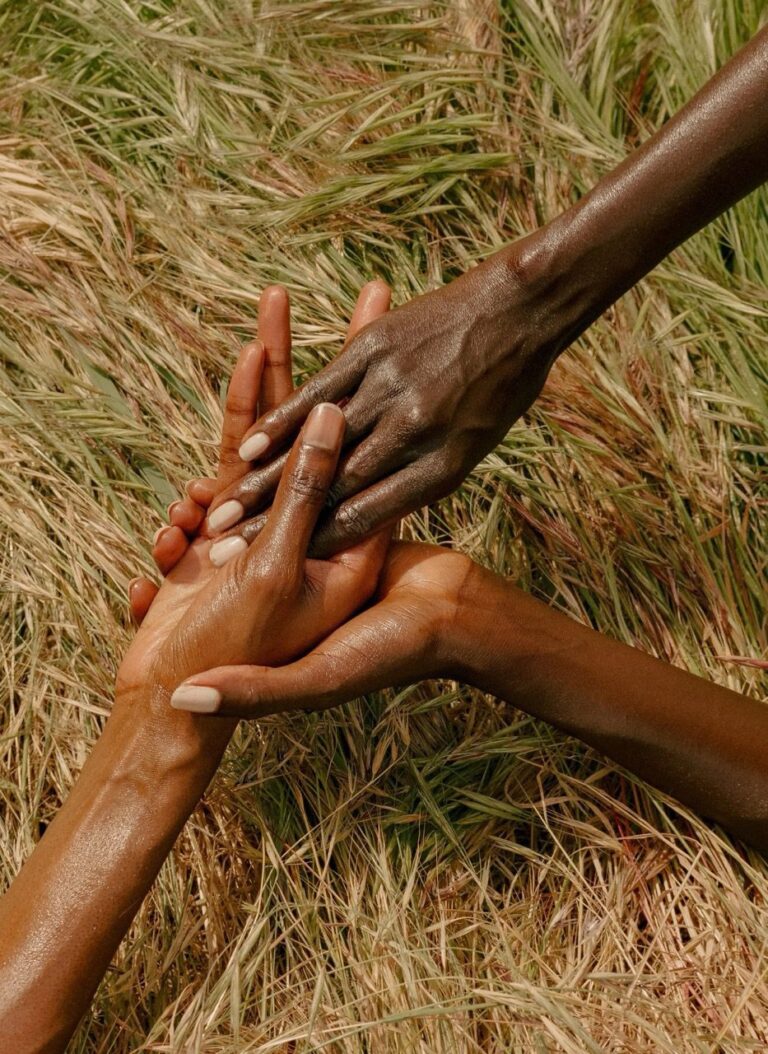

Samuel Trotter and the Sacred Ordinary of Black Life
Dr. Kelli Morgan
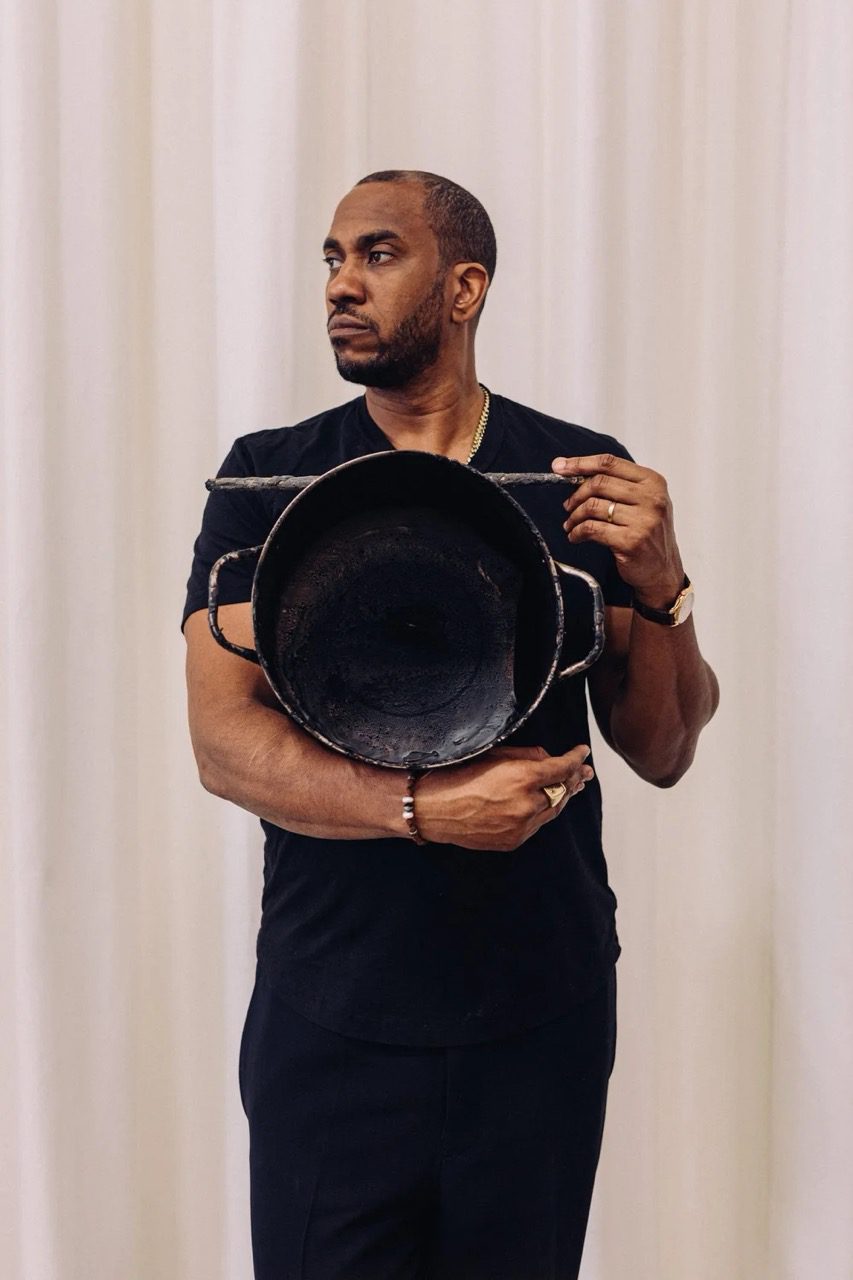
In a time when Black existence is too often reduced to trauma, statistics, or abstraction, Everyday Gods insists on visibility, nuance, and reverence. Samuel Trotter’s photography calls us to look — really look — at Black bodies, Black lives, Black communities: not as news, not as spectacle, but as living, breathing futures.
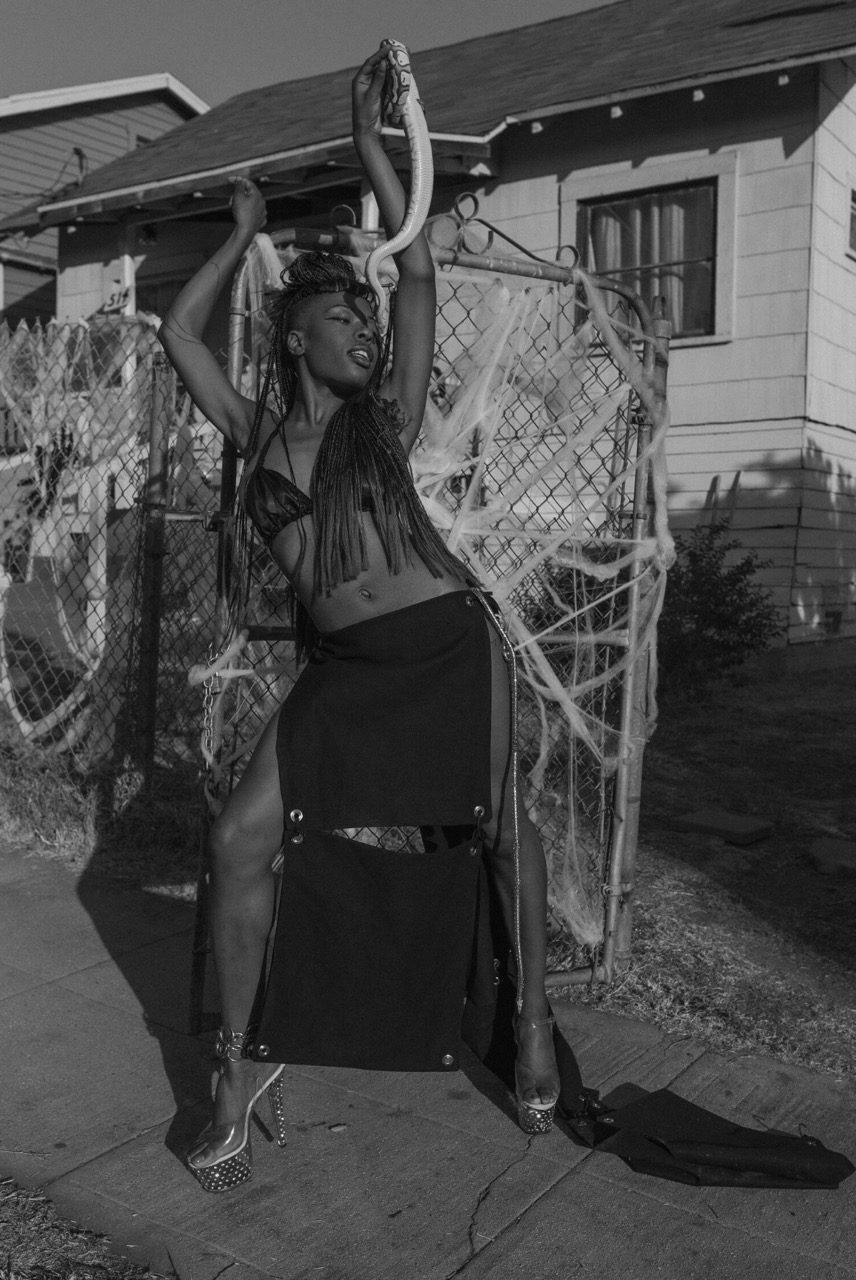
Trotter’s dual practice in both commercial and fine-art photography dismantles the divide between “visibility for profit” and “authentic representation.” In the photographic traditions of Arthur Jafa, Jamel Shabazz, and Adreinne Waheed, it asserts that the everyday lives of Black people deserve artistry, respect, and sacredness.
Through this exhibition, we aim to reclaim the narrative around Black life — to shift from erasure and stereotype toward recognition, dignity, and creative flourishing.

“My goal is to venerate us, where I can.”
— Samuel Trotter
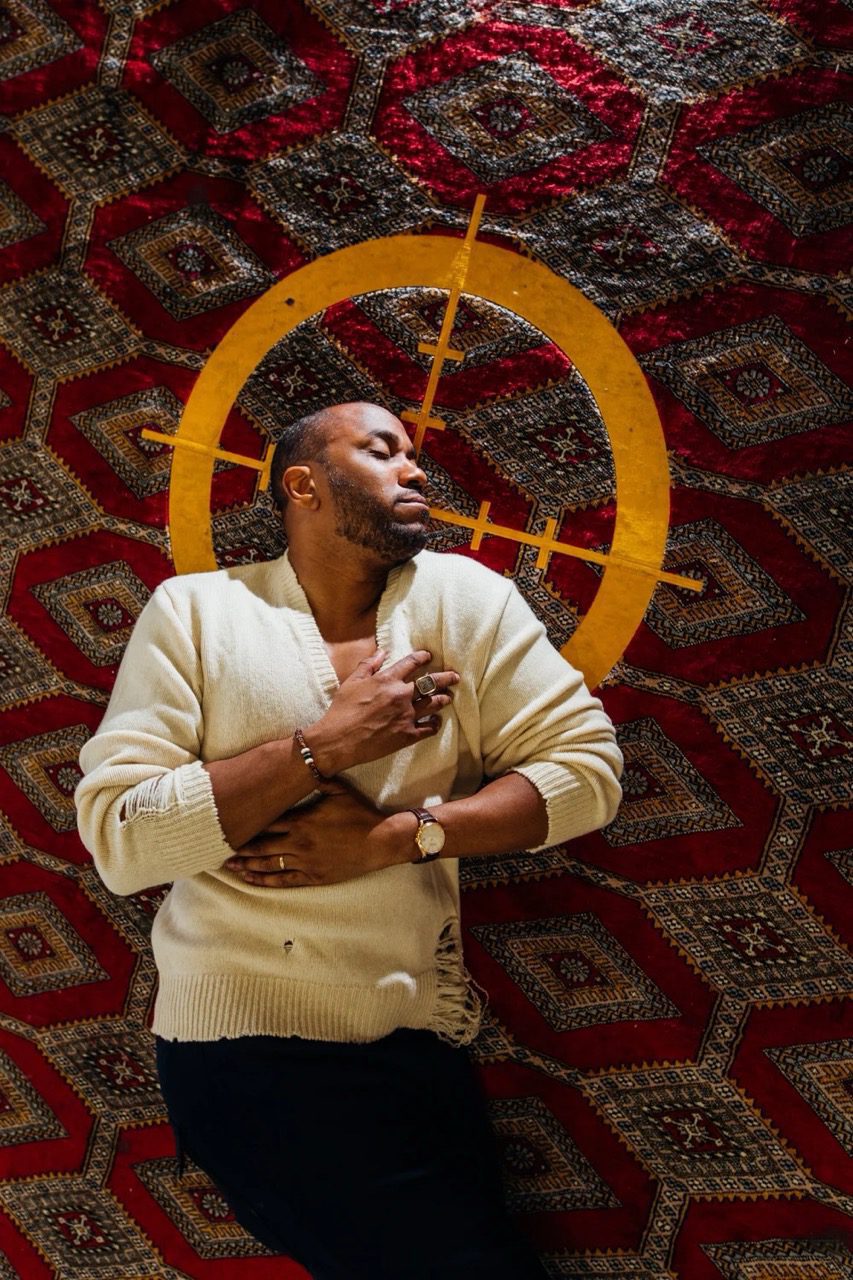
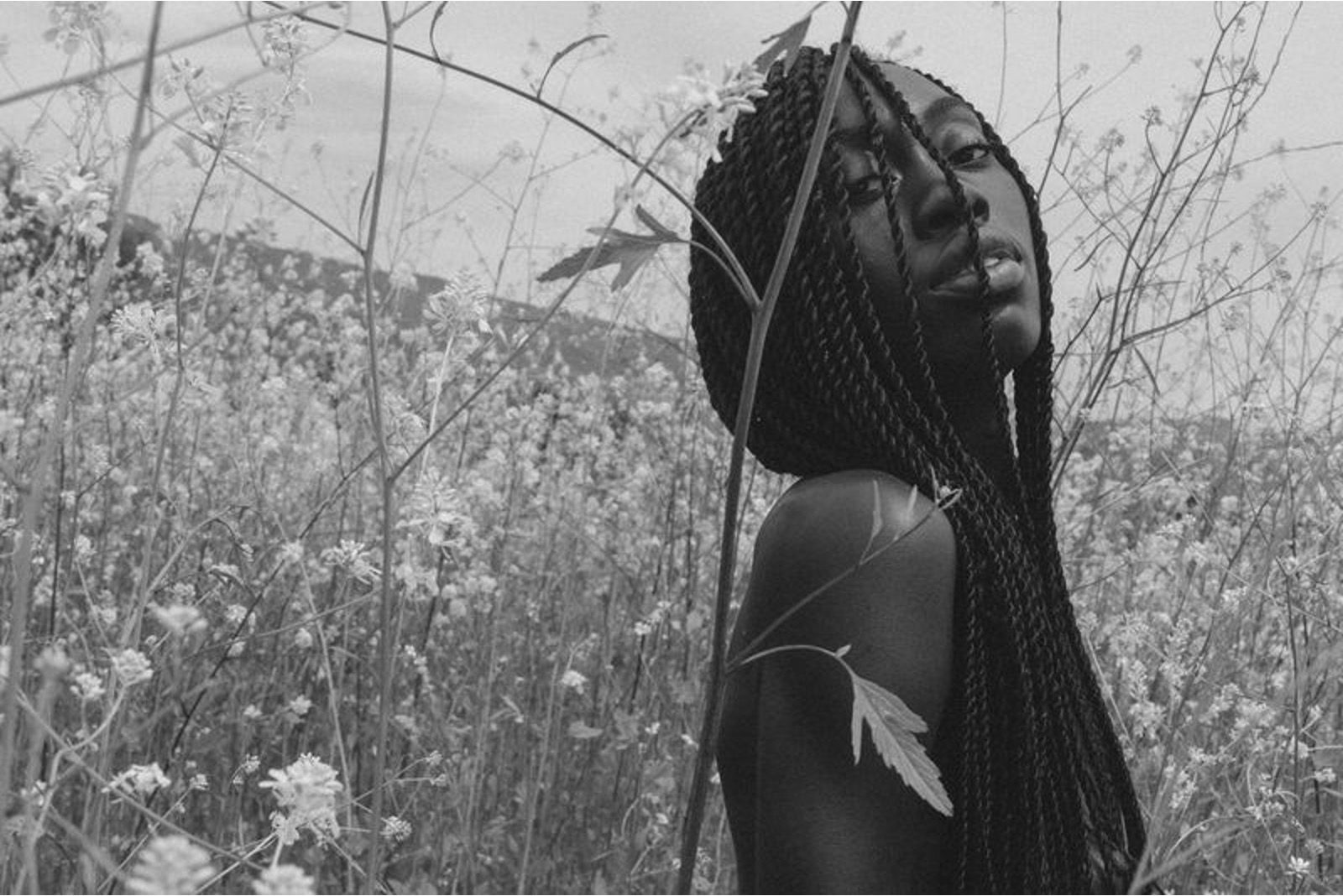
Everyday Gods invites viewers to see Black life not as a flat stereotype or monolith, but as layered, sacred, and deeply alive. Through Samuel Trotter’s lens — from glossy editorial frames to candid, fine-art portraits — this show argues that Black humanity deserves visibility, dignity, nuance, and a sacredness that is often denied by dominant visual culture.
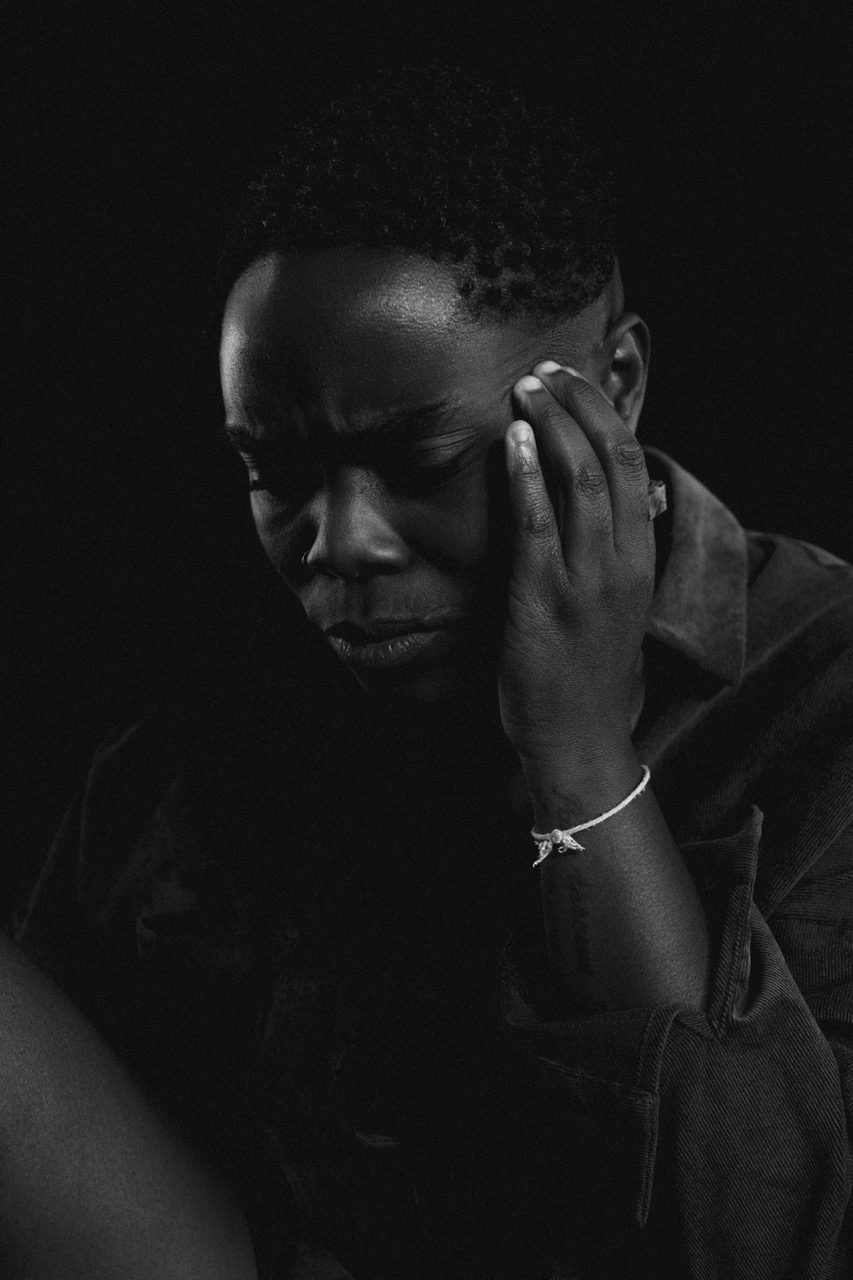
Trotter’s images operate on multiple levels: they document, they celebrate, and they transform. In capturing everyday gestures, intimate moments, and the quiet dignity of his subjects, he reveals that Black life contains multitudes. This exhibition asks: What does it mean to honor Blackness not just as representation, but as reverence?
Each photograph becomes a meditative act of honoring — treating ordinary lives as subjects worthy of depth, respect, and creative space. The show collapses the distinction between “everyday” and “sacred,” offering Black life as sacred through visibility, care, and artistry.
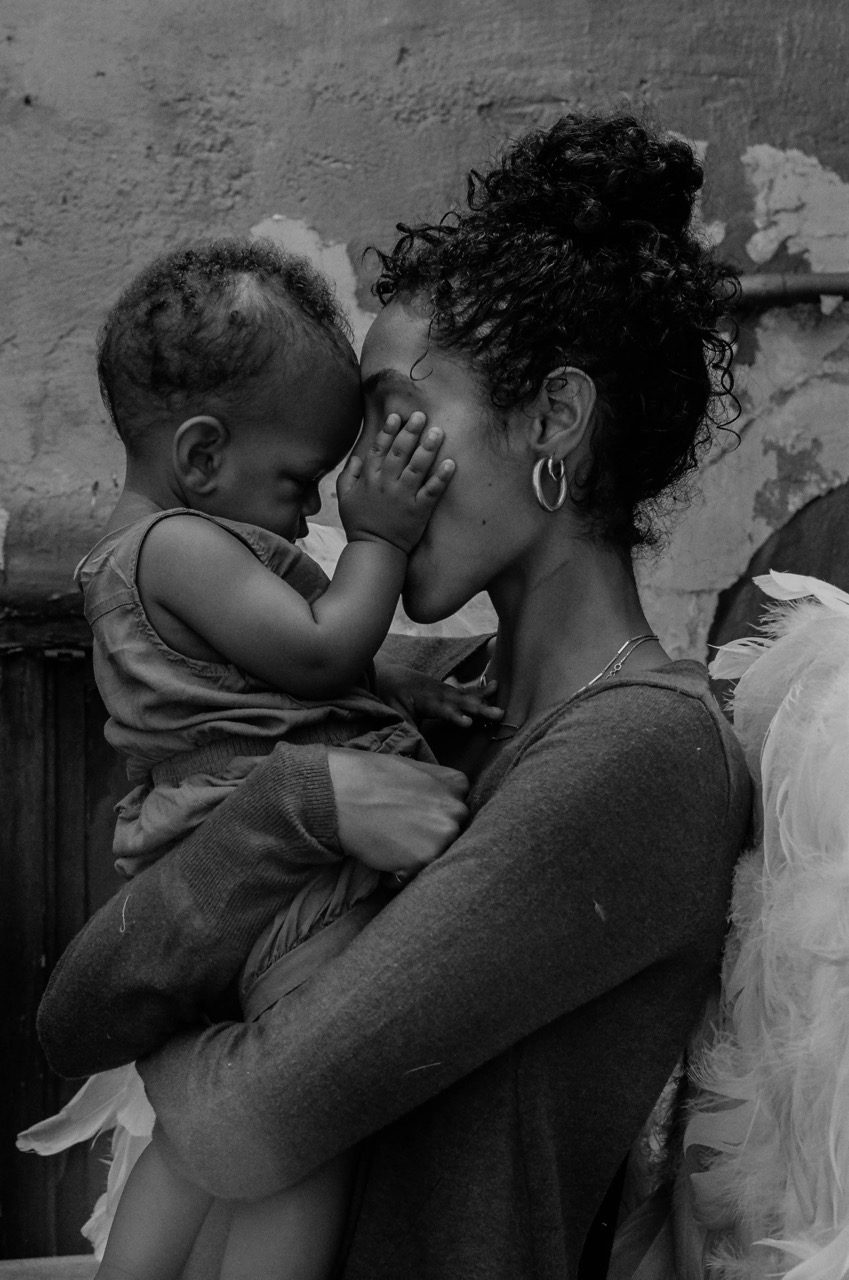
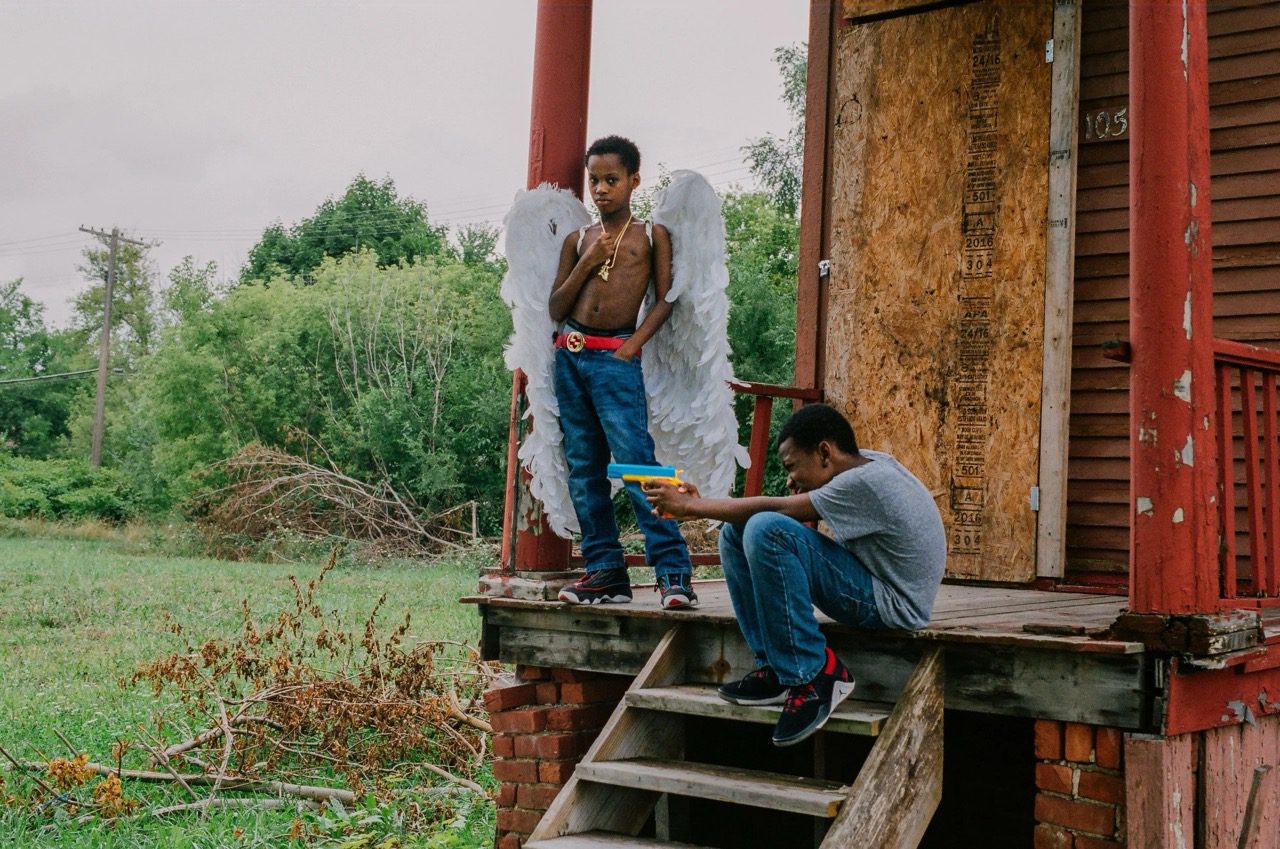
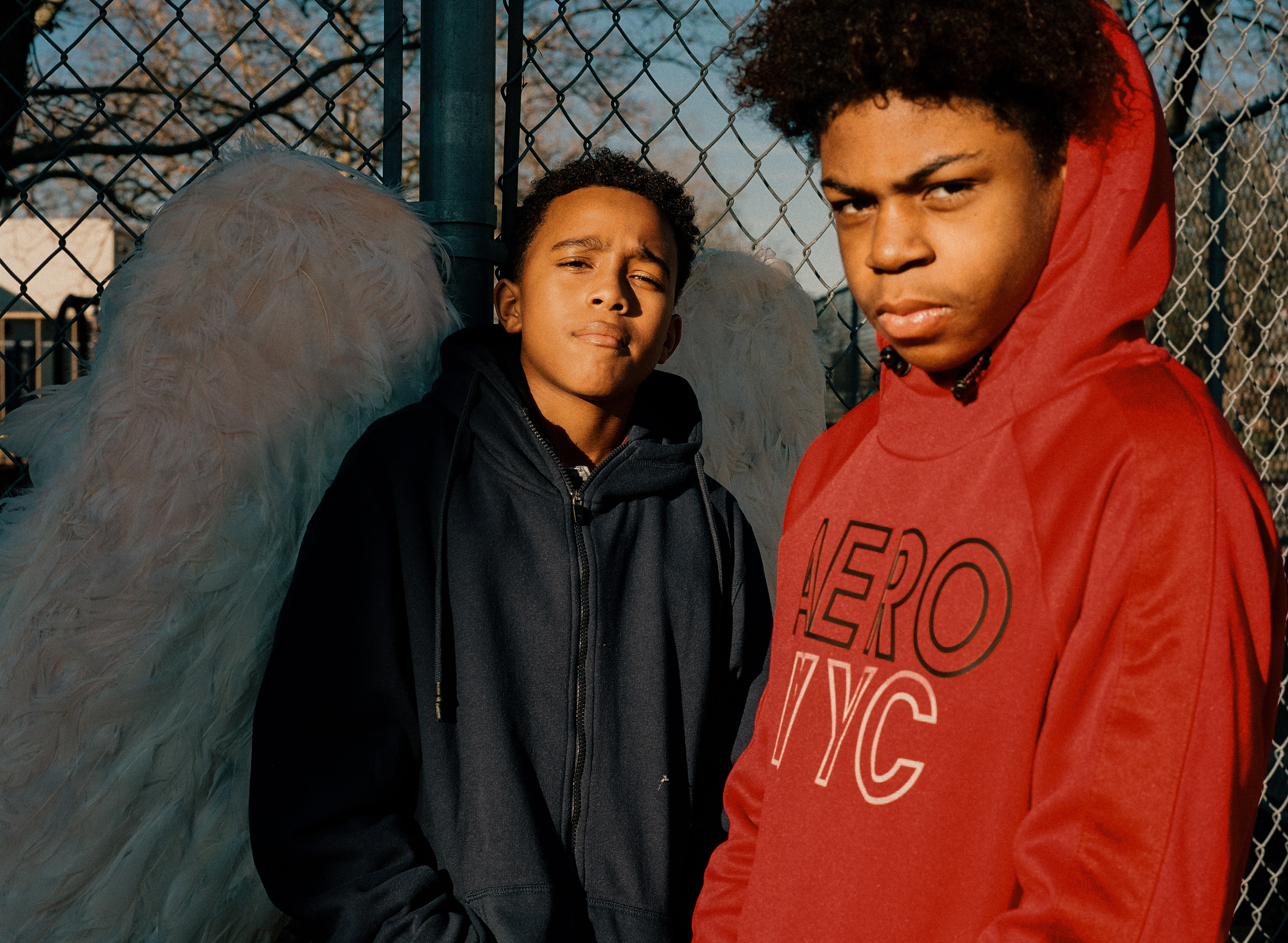
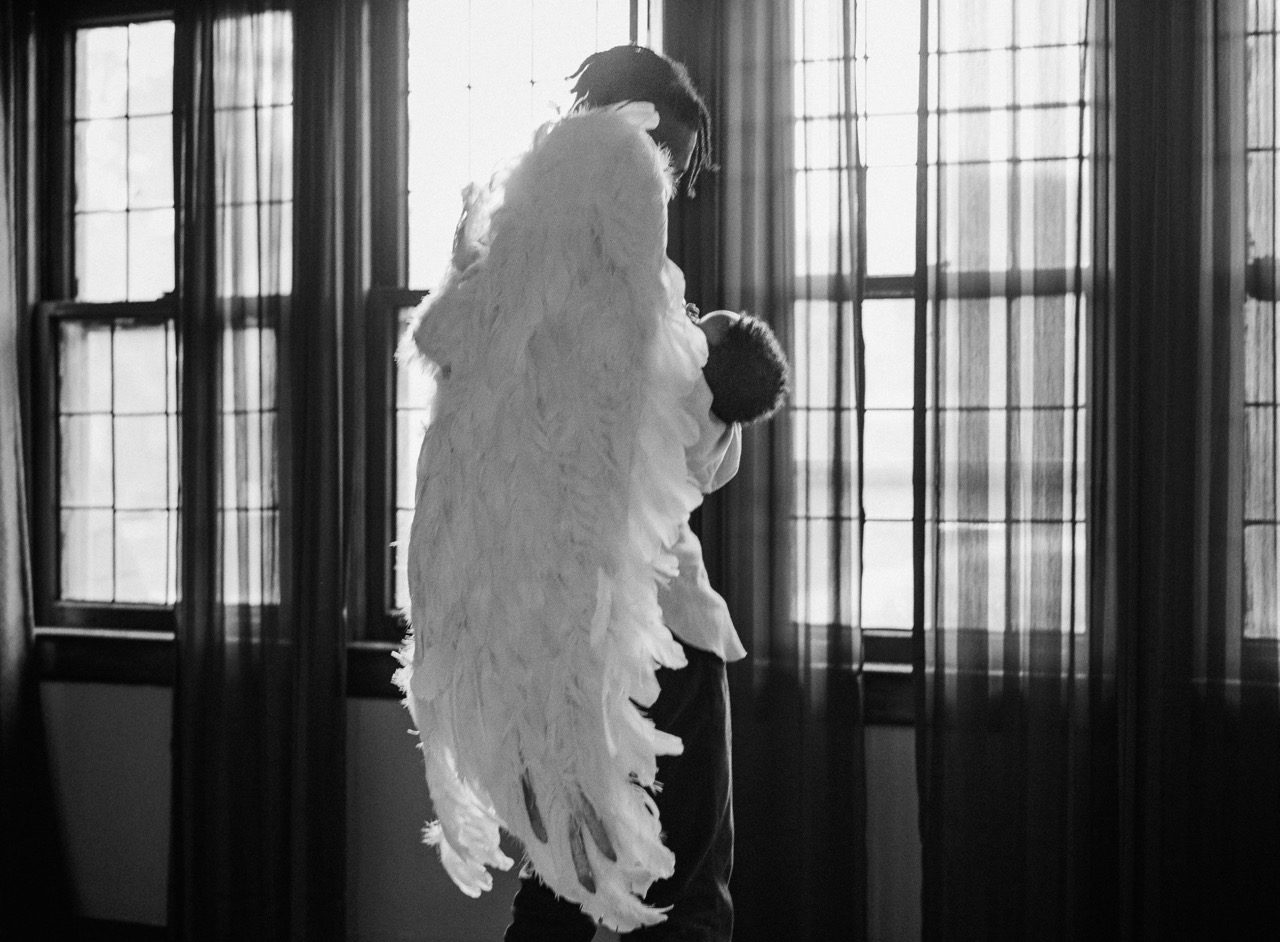
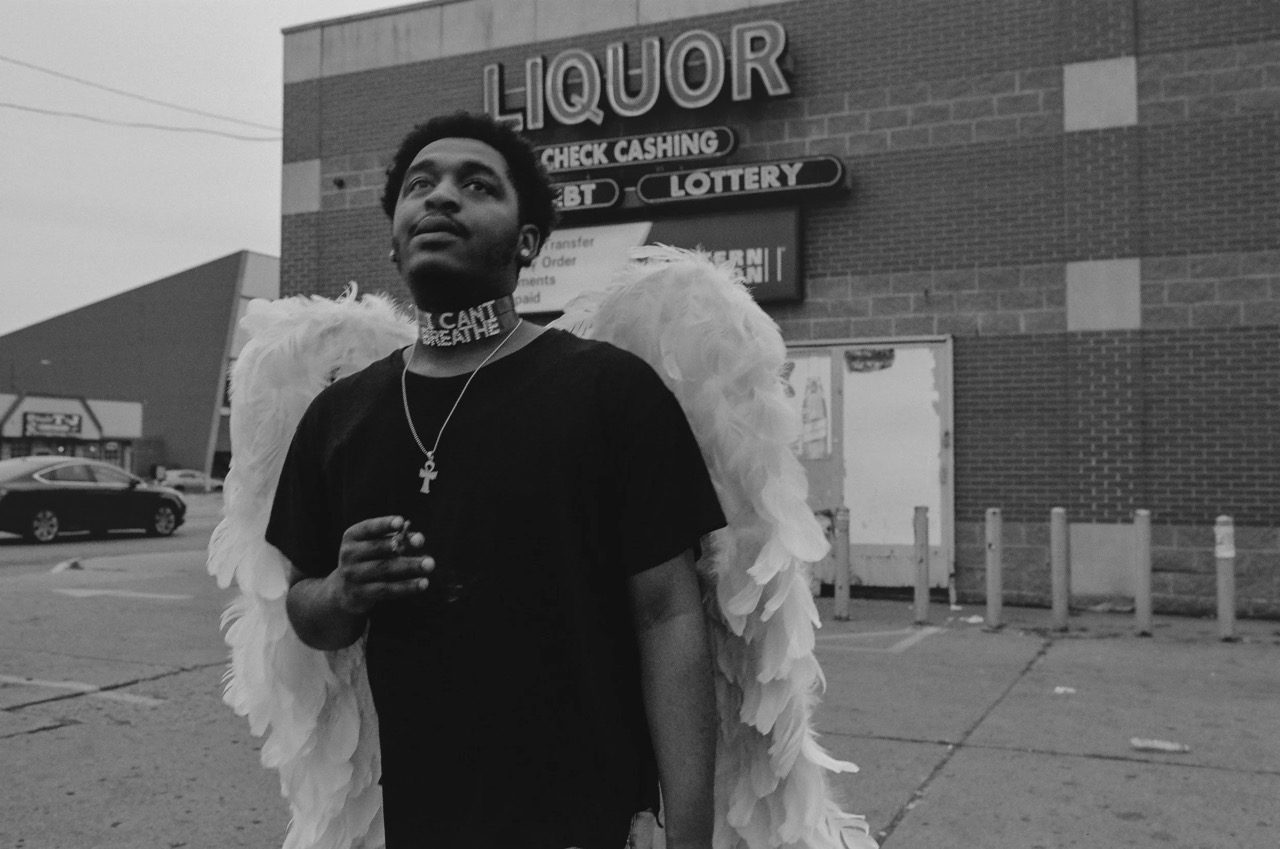
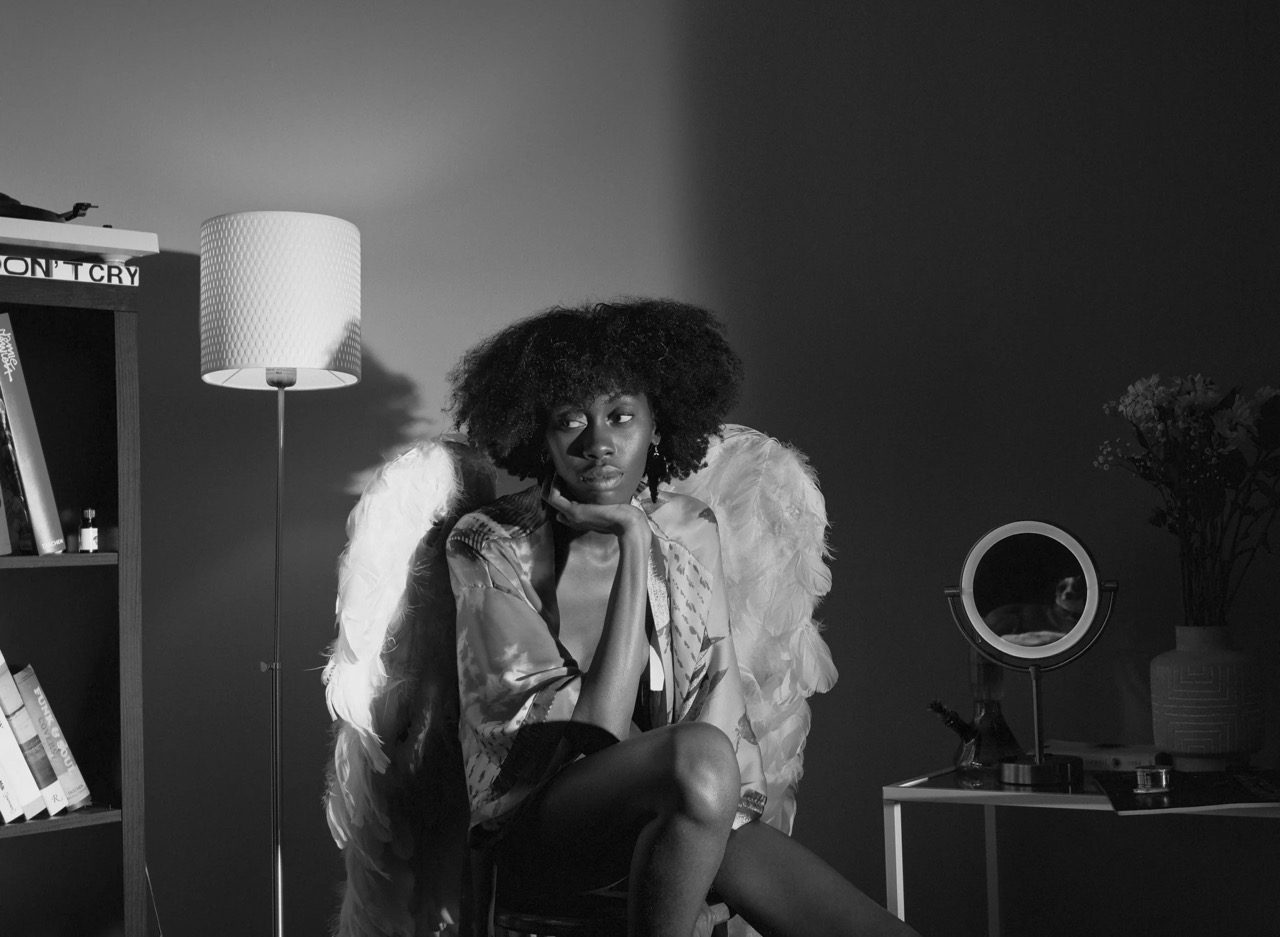
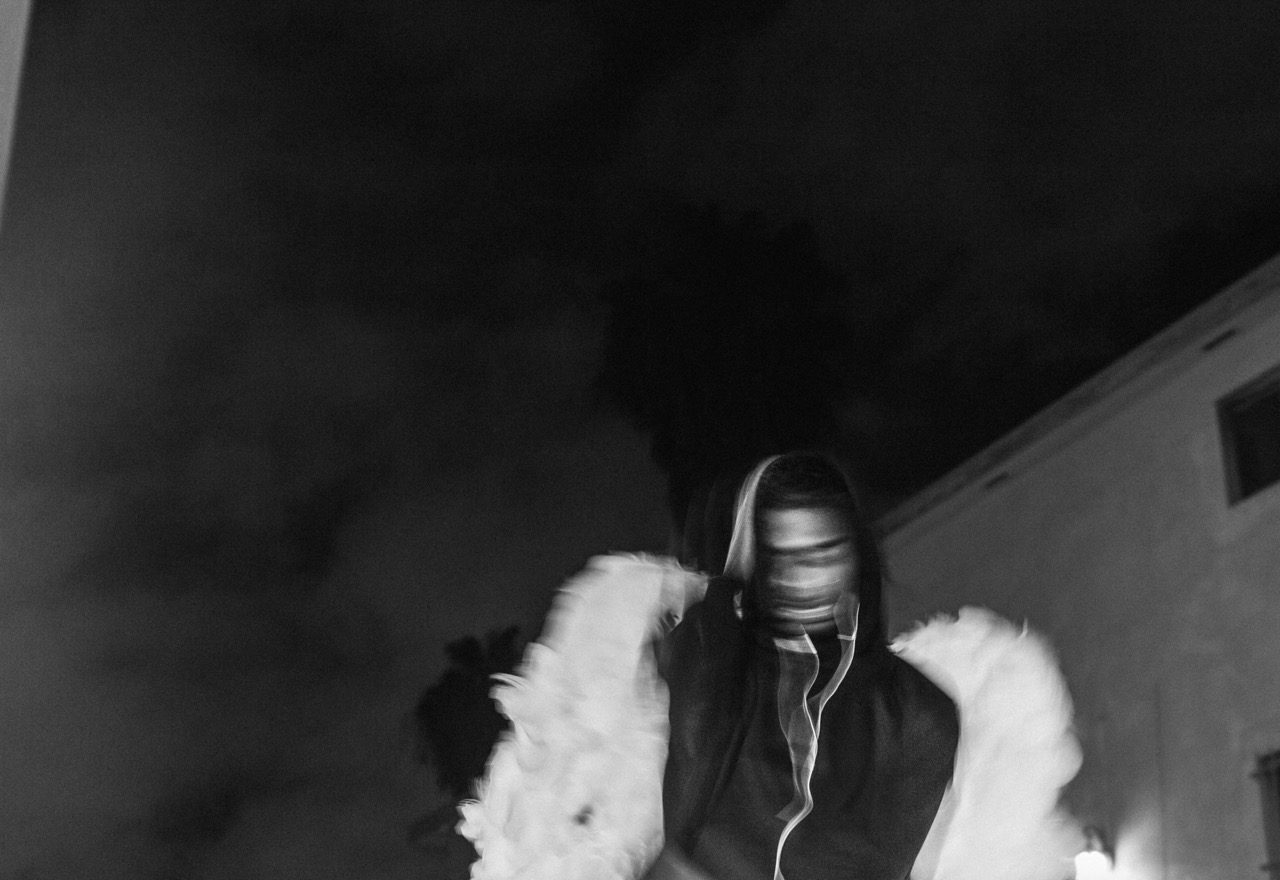
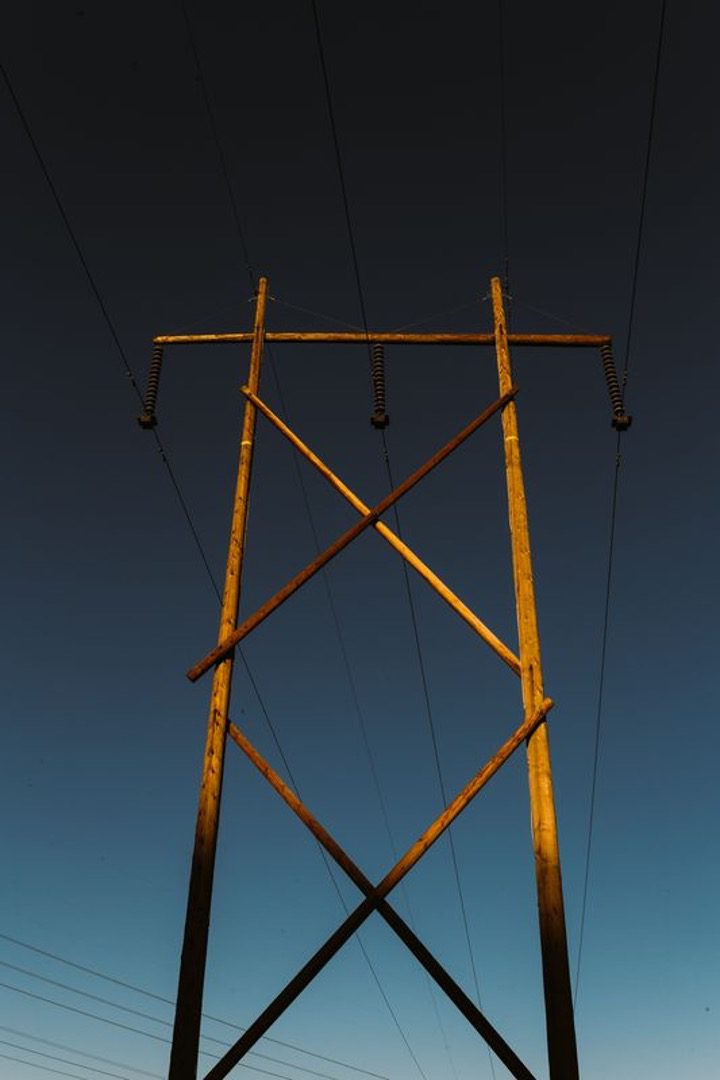
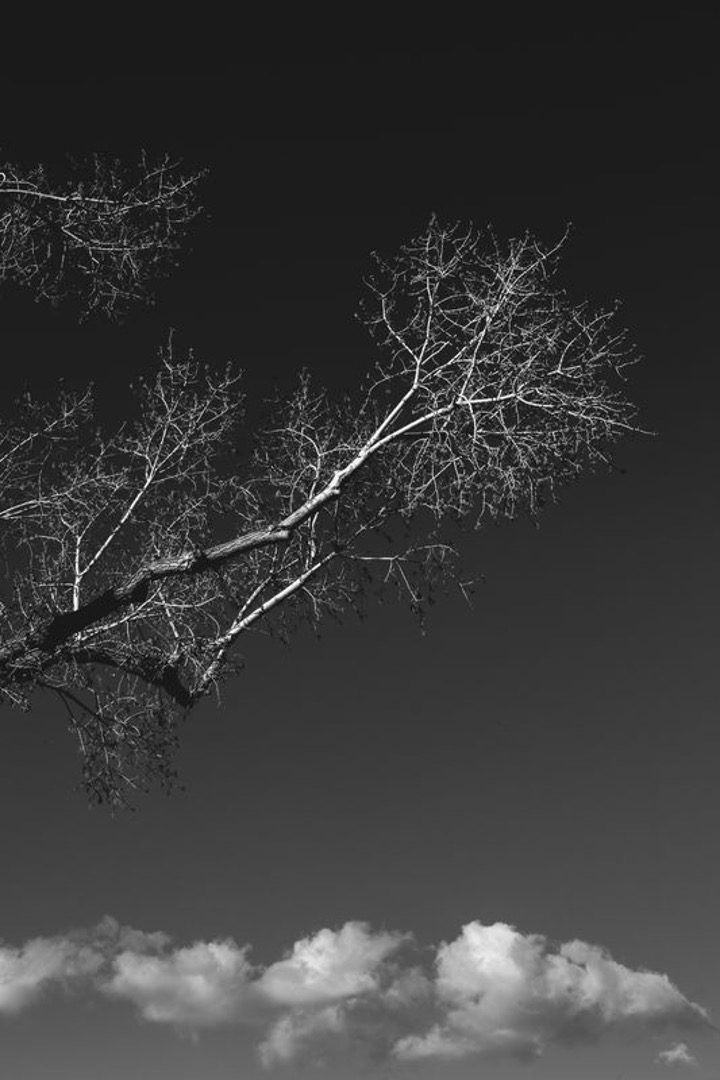
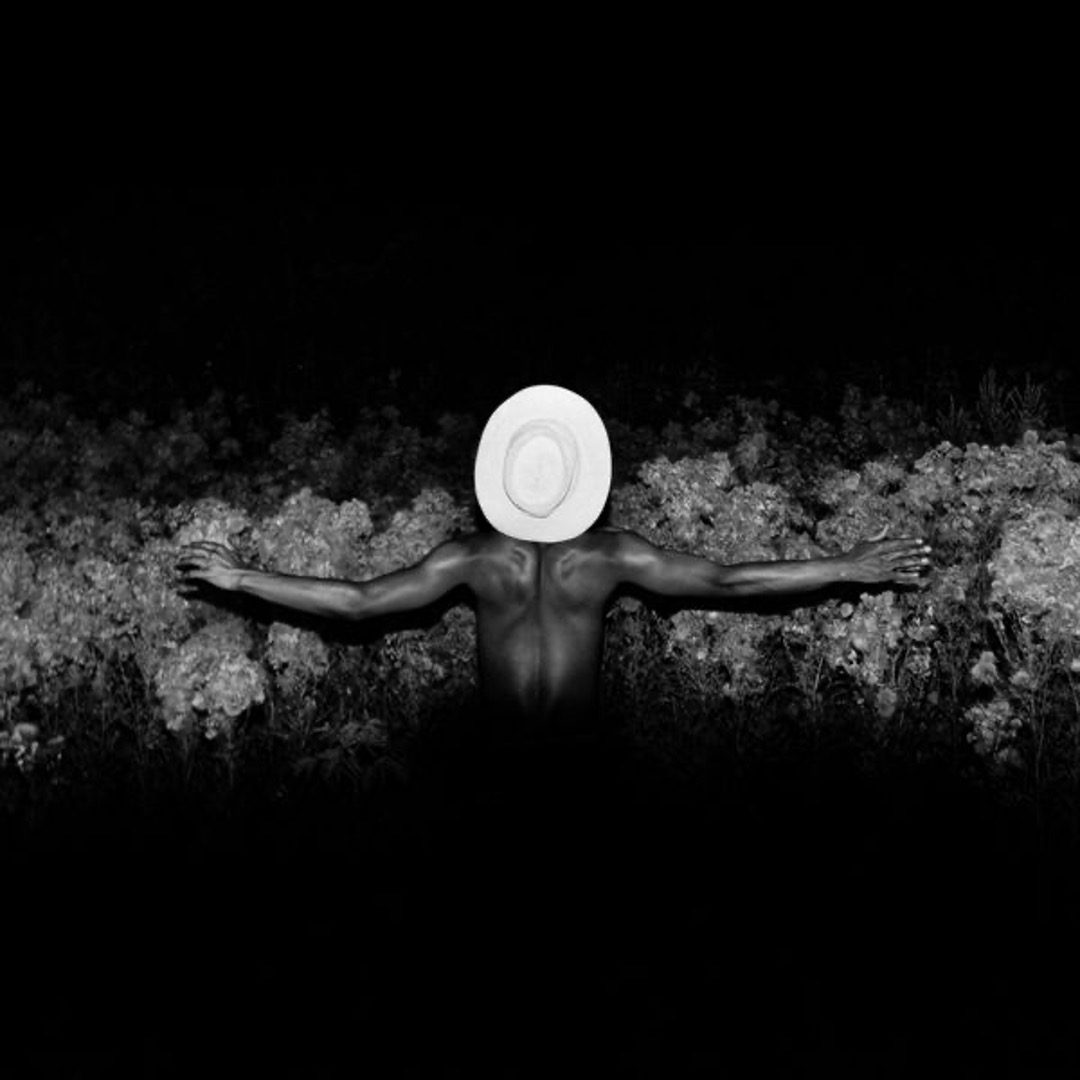
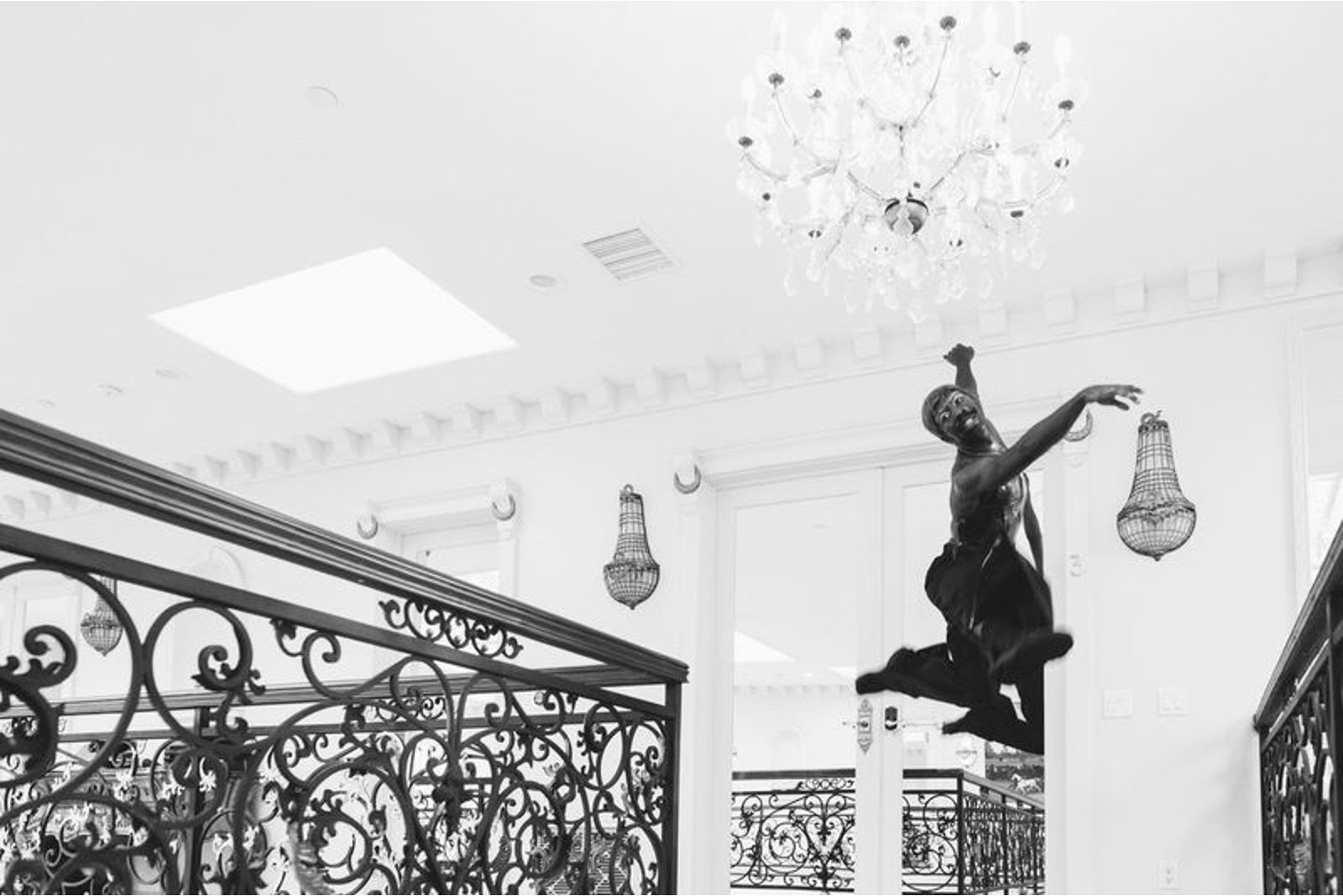
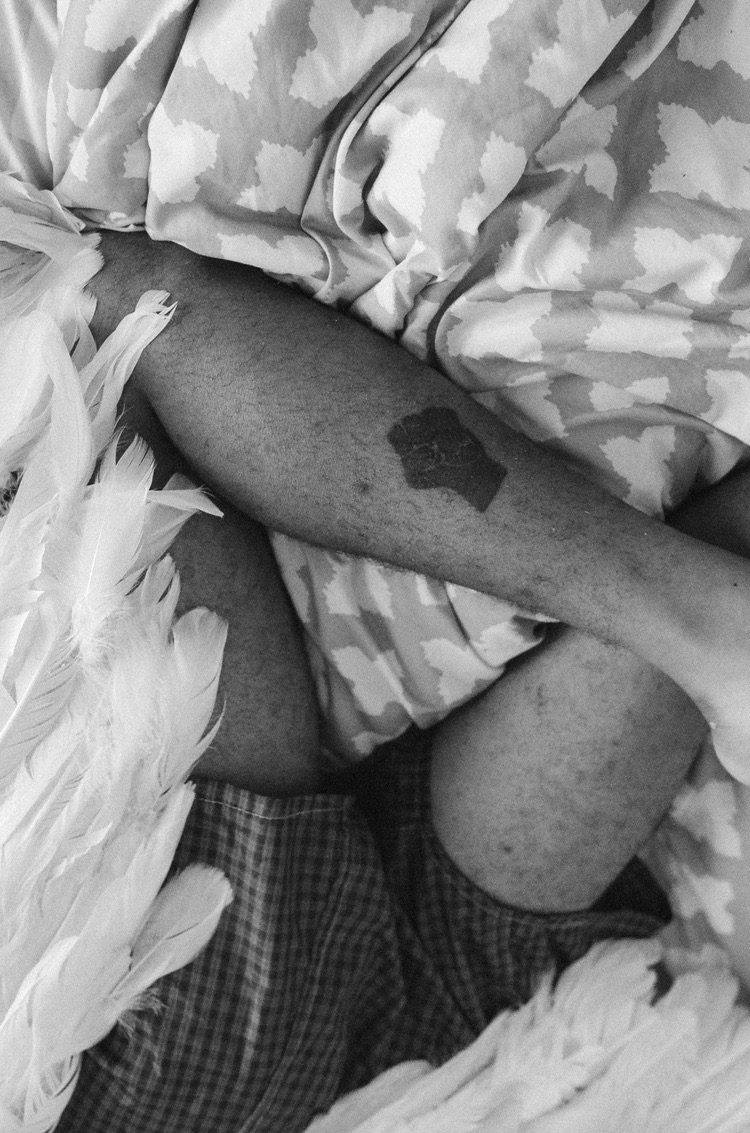
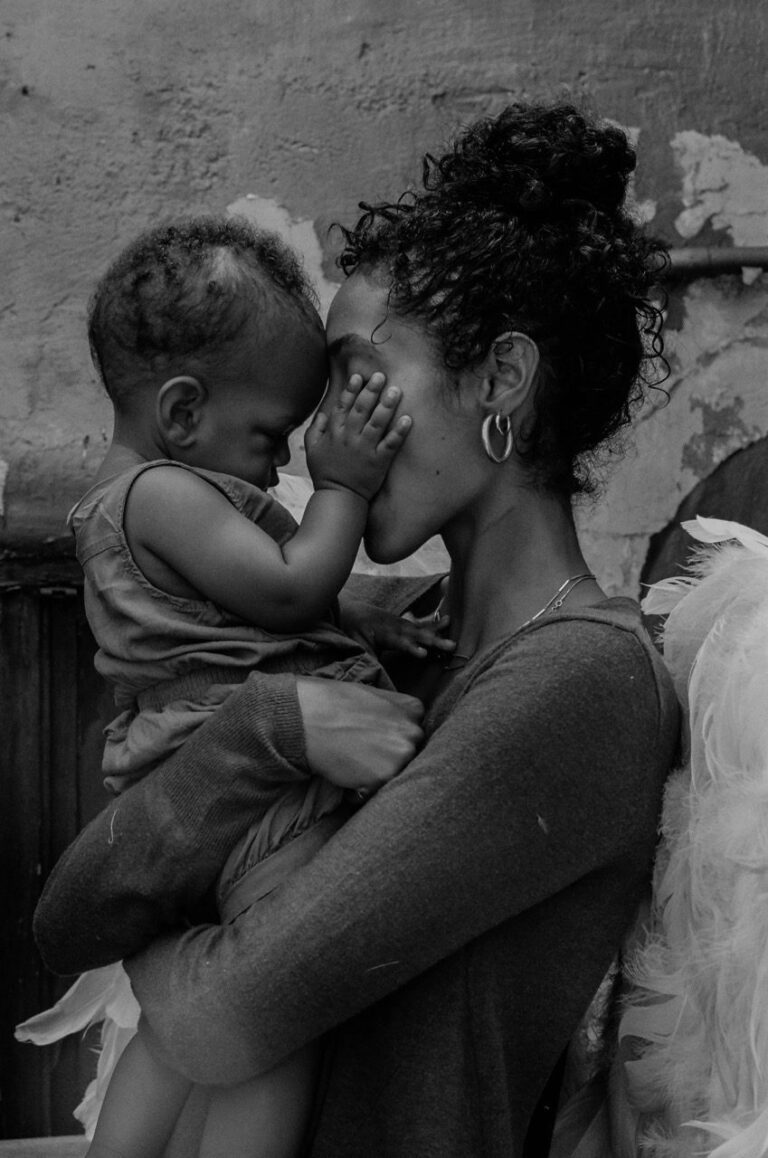
In Samuel Trotter’s photographs, Black men and boys are rendered with wings—fragile, luminous, impossible to ignore. They stand in alleys, before fences, beneath open skies and looming walls, marked by the everyday architectures of abandonment and surveillance. Yet the wings insist on another truth. Though society has too often treated Black life as expendable, these figures are not fallen. They are watched over. They are carried.
Trotter’s images call forth an old story whispered through Black folklore and memory: the belief that there were Black people who could fly. Not as fantasy alone, but as refusal—as a spiritual grammar for escape when the world offered none. This lineage echoes through Toni Morrison’s Song of Solomon, where Milkman learns that flight is not merely departure, but remembrance—an inheritance bound to knowing where one comes from, and what must be left behind to be free.
Here, wings become both burden and blessing. They recall the Exodus, the long journey out of bondage guided not by certainty, but by faith. Trotter’s figures do not soar triumphantly above suffering; they remain grounded within it. Their wings are worn, heavy, sometimes hidden—suggesting that transcendence does not require escape from the world, but survival within it.
These photographs remind us that even when institutions fail, when protection is denied, when innocence is criminalized, there remains a sacred tether. The divine has not looked away. Like Milkman standing at the edge of flight, Trotter’s subjects occupy the charged space between earth and sky—between what has been taken and what might still be reclaimed. To see them is to remember: Black freedom has always been imagined before it could be lived, and faith has often been the first place it learned to fly.
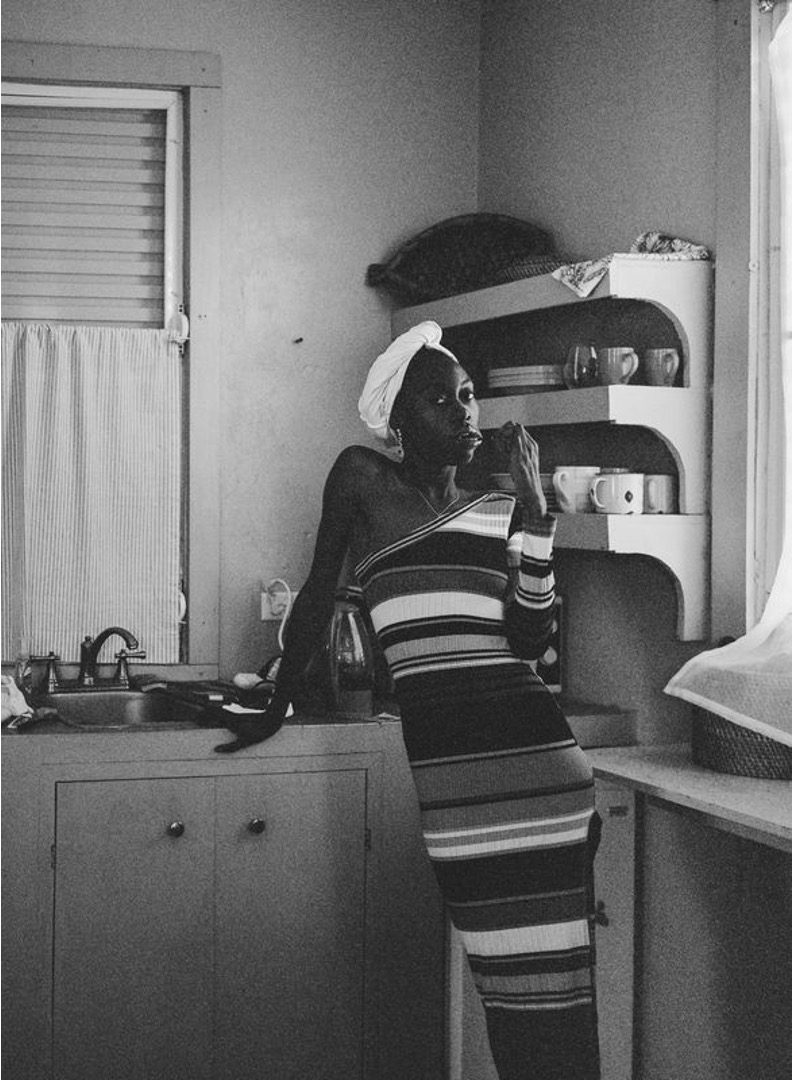
Here, Trotter transforms the domestic interior into a site of quiet rupture. Kitchens, bedrooms, hallways, living rooms—spaces typically coded as ordinary—are reimagined through surrealist gestures that bend reality just enough to reveal what has always been there: the imagination at work. These are not scenes of escape from home, but escapes within it—moments where fantasy enters the everyday as a form of care, protection, and possibility.
Against the flattening force of stereotype—images that reduce Black life to crisis, deficiency, or spectacle—these works insist on nuance. They reject the media’s narrow scripts in favor of lived complexity. Here, Black domestic spaces are not merely backdrops for survival; they are laboratories of dreaming. They are where children learn to imagine otherwise, where adults rehearse futures that the outside world refuses to make room for.
Surrealism, in this context, is not excess—it is necessity. It names the way imagination has long functioned as a quiet technology of endurance, especially when material conditions are constrained. A floating body, a fractured perspective, a room that seems to breathe: these visual disruptions signal interior lives too expansive to be contained by stereotype.
Importantly, these imagined worlds do not serve only the self. They ripple outward. Imagination becomes communal—offering others refuge, recognition, and relief. In this way, the domestic space transforms into a site of radical generosity, where dreaming is shared and alternative ways of being are modeled.
Together, these photographs ask us to look again—to sit with contradiction, intimacy, and invention. They remind us that Black life has never been singular or static, and that imagination has always been one of its most powerful, and most misrecognized, forms of freedom.
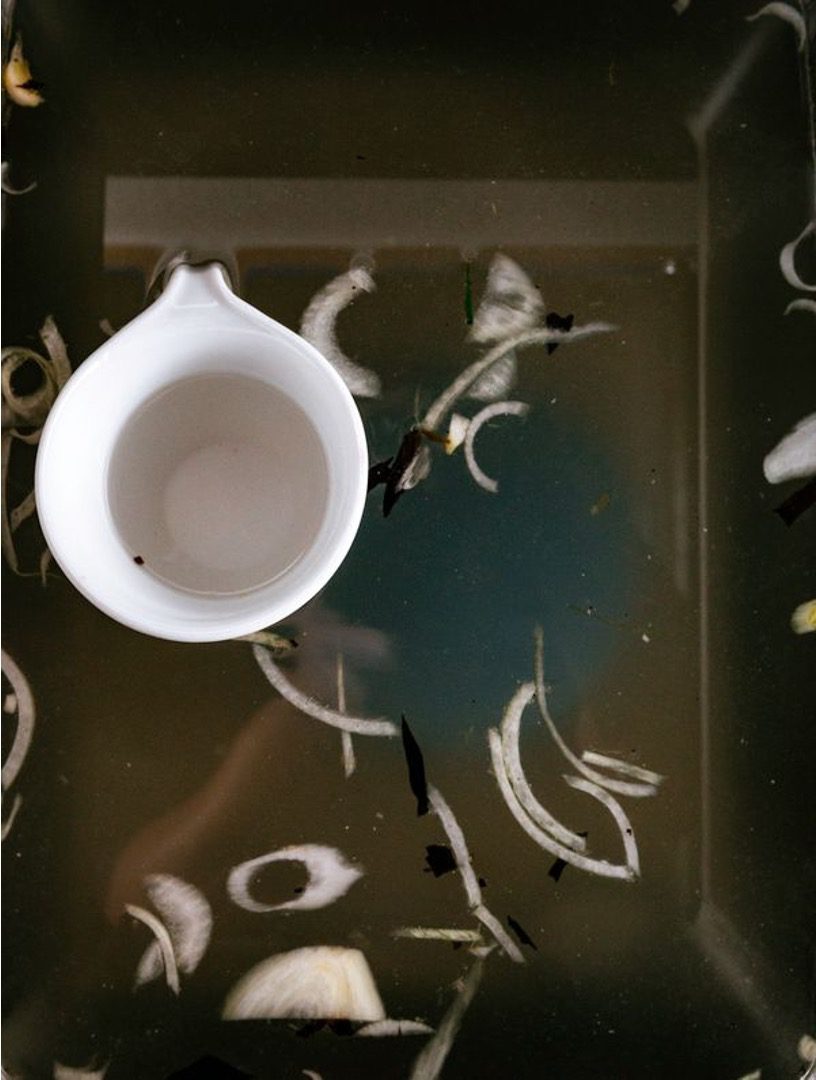
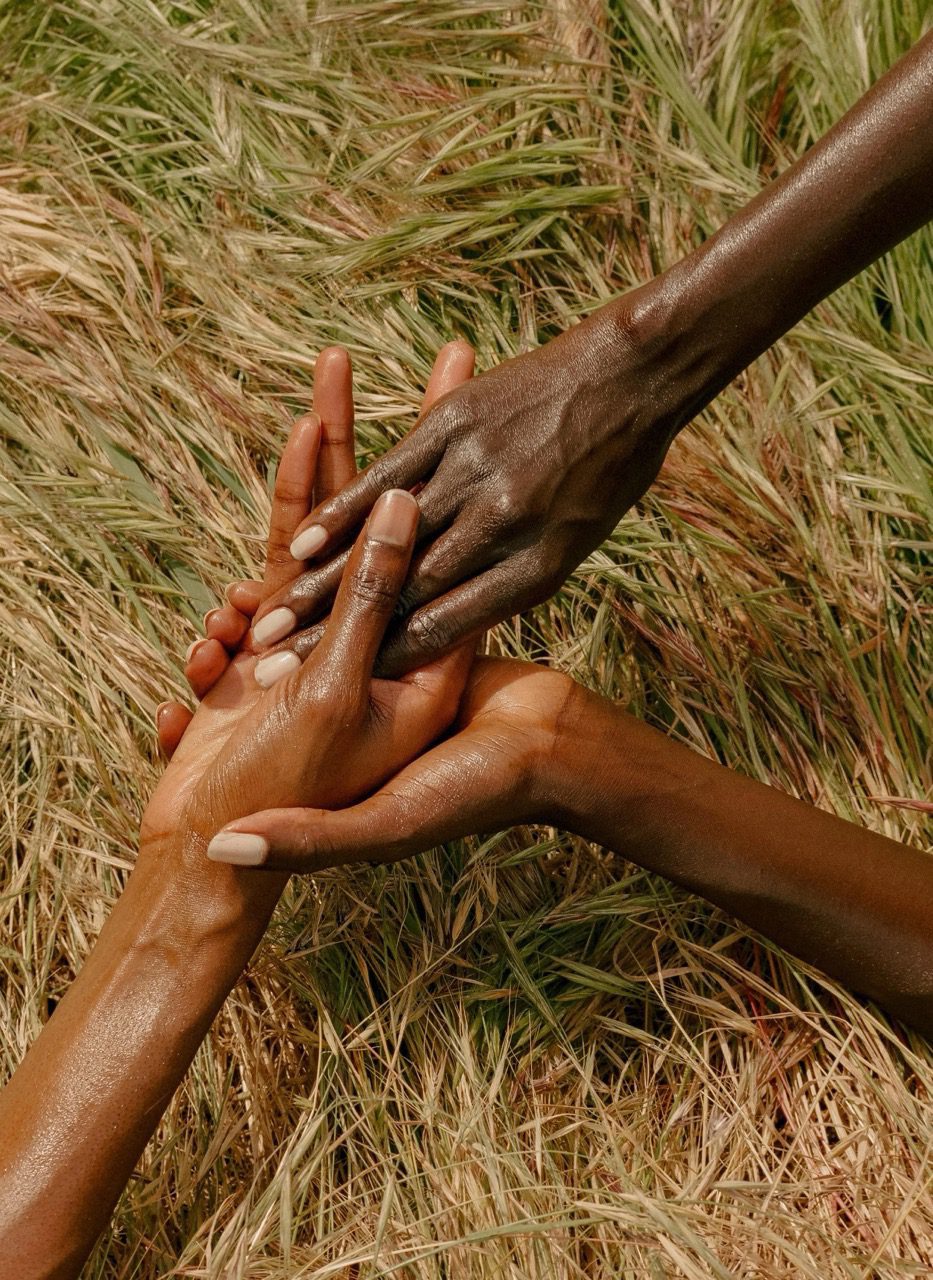
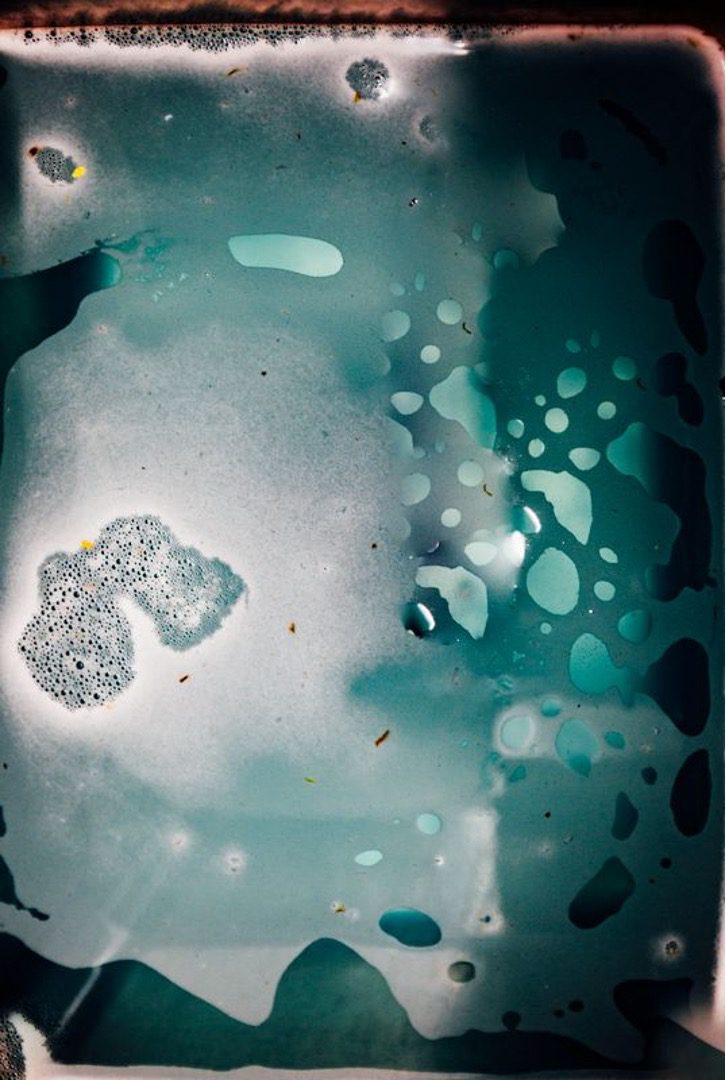
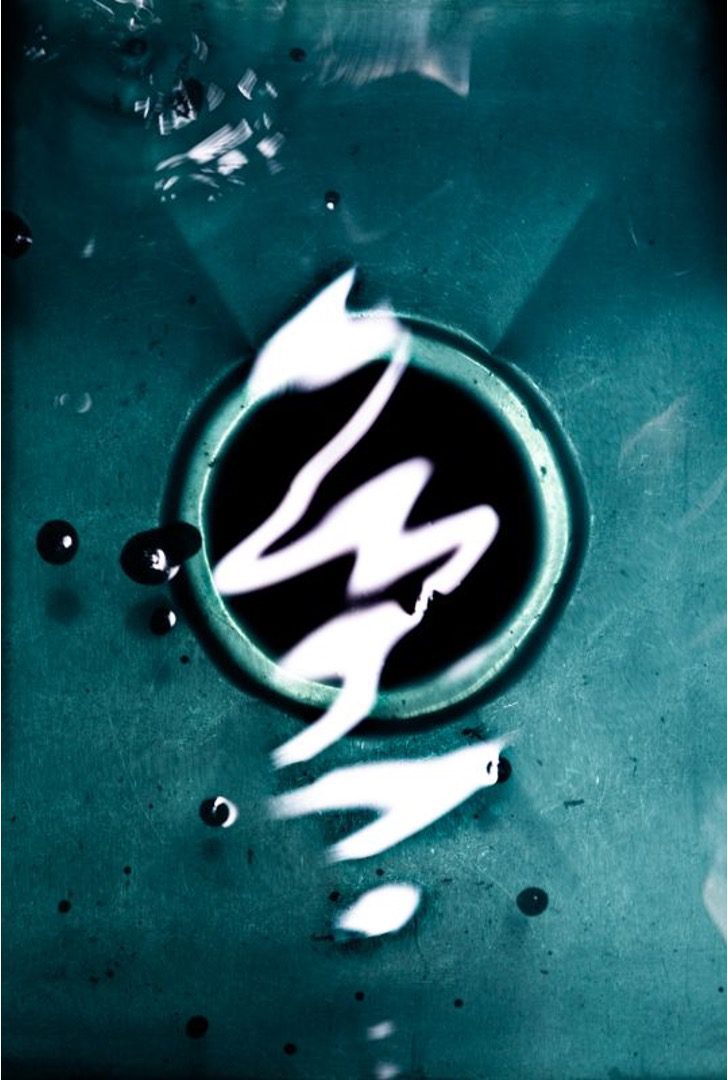
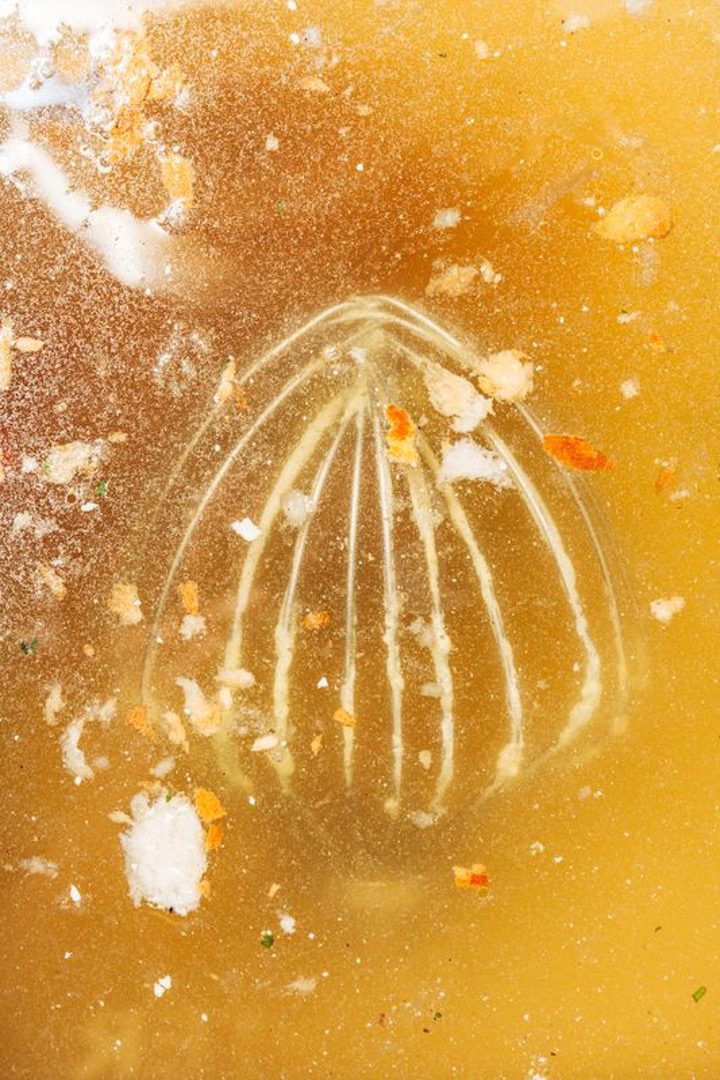
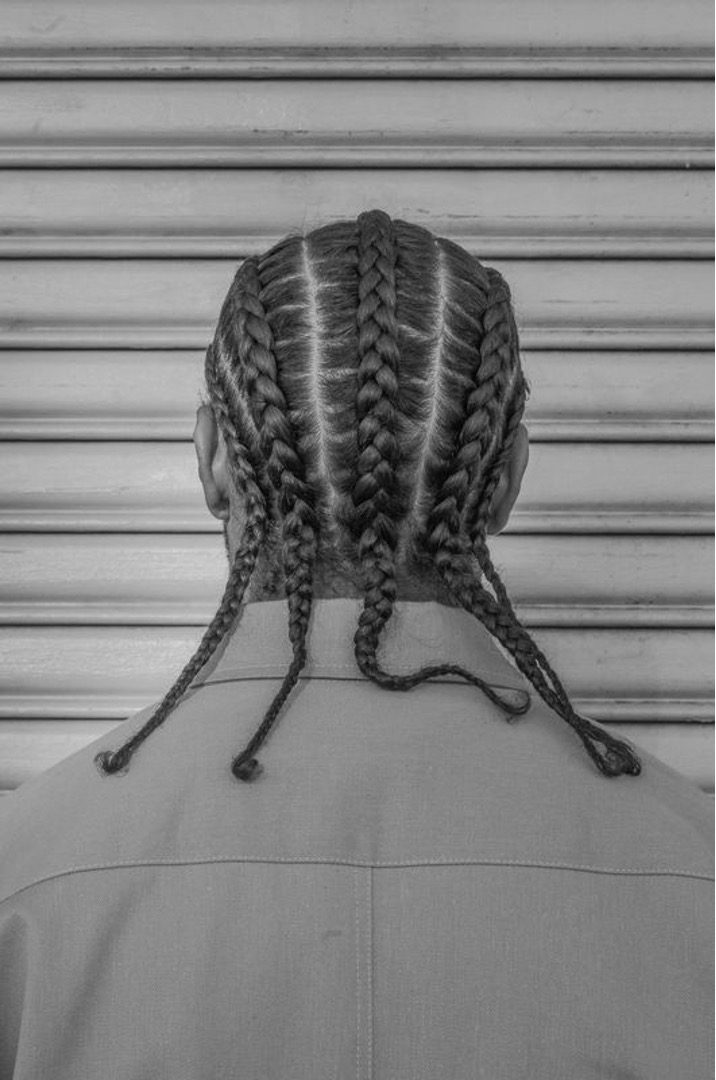
In this gallery, Samuel Trotter turns his lens toward the intimate and the overlooked—dishwater catching light, the repetitive groove of a sneaker’s sole, the grain of Black skin, the pattern of hair. At first glance, these images may appear abstracted from their subjects, but it is precisely through abstraction that they arrive at a deeper form of seeing.
Here, abstraction is not erasure; it is devotion. By refusing the demand for legibility—faces, names, narratives that must explain themselves—these photographs push back against the ways Black bodies are so often consumed through reductive and surveillant gazes. Instead, Trotter offers fragments, textures, and gestures that honor individuality without exposure. The viewer is asked not to identify, but to attend.
In the soft swirl of dishwater or the close study of hair and skin, we encounter the inner life—quiet, complex, and irreducible. These images suggest that dignity does not require spectacle, and that beauty does not need permission to exist. They remind us that abstraction can be a language of care, one that protects its subjects while affirming their depth.
By isolating texture and form, Trotter shifts the terms of recognition. Blackness here is not explained, defended, or performed; it simply is. The works insist that identity lives not only in representation, but in sensation—in touch, in memory, in the everyday rituals that shape a life.
Together, these photographs ask us to slow down and look differently. They invite us into a mode of seeing that resists consumption and instead practices respect. In doing so, they affirm that even what is most familiar—water, skin, hair—can hold vast interior worlds when we allow ourselves to truly see.
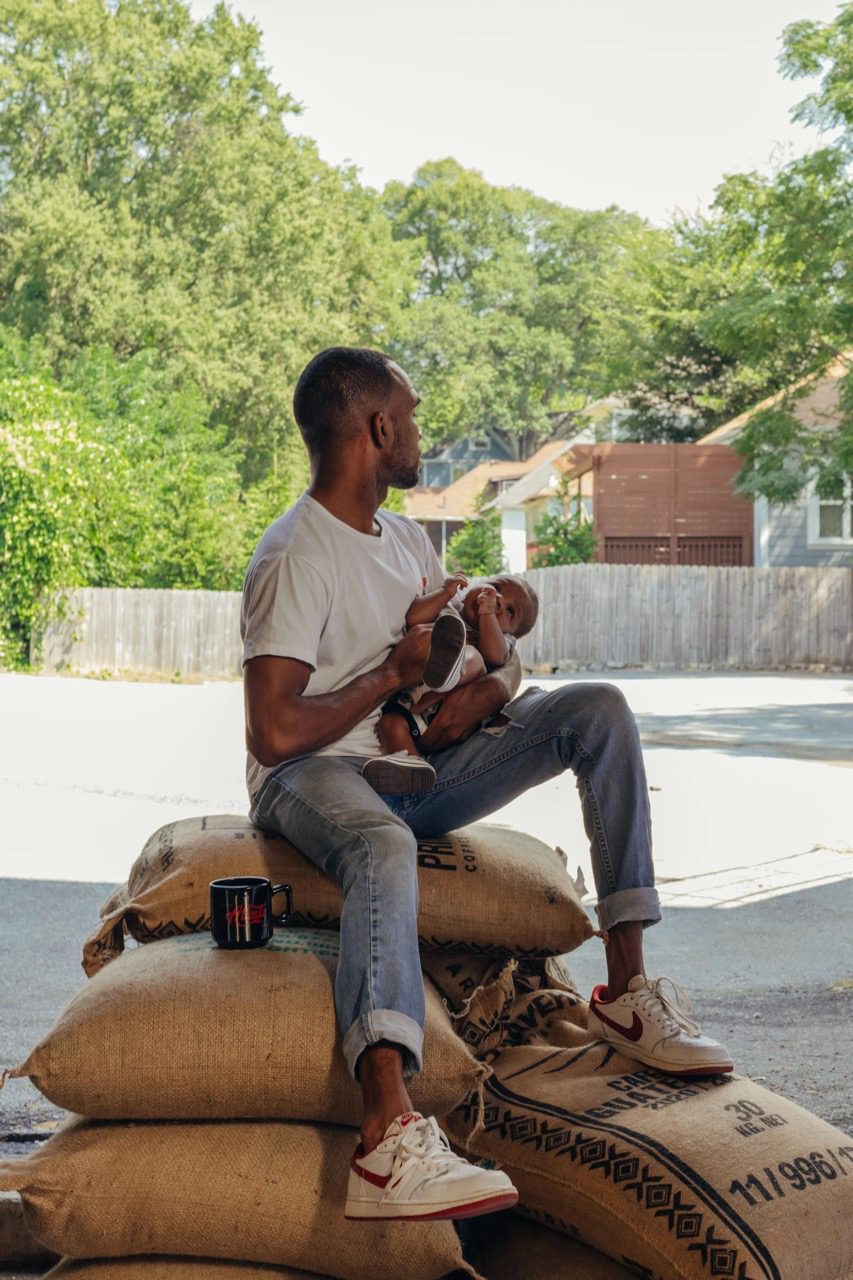
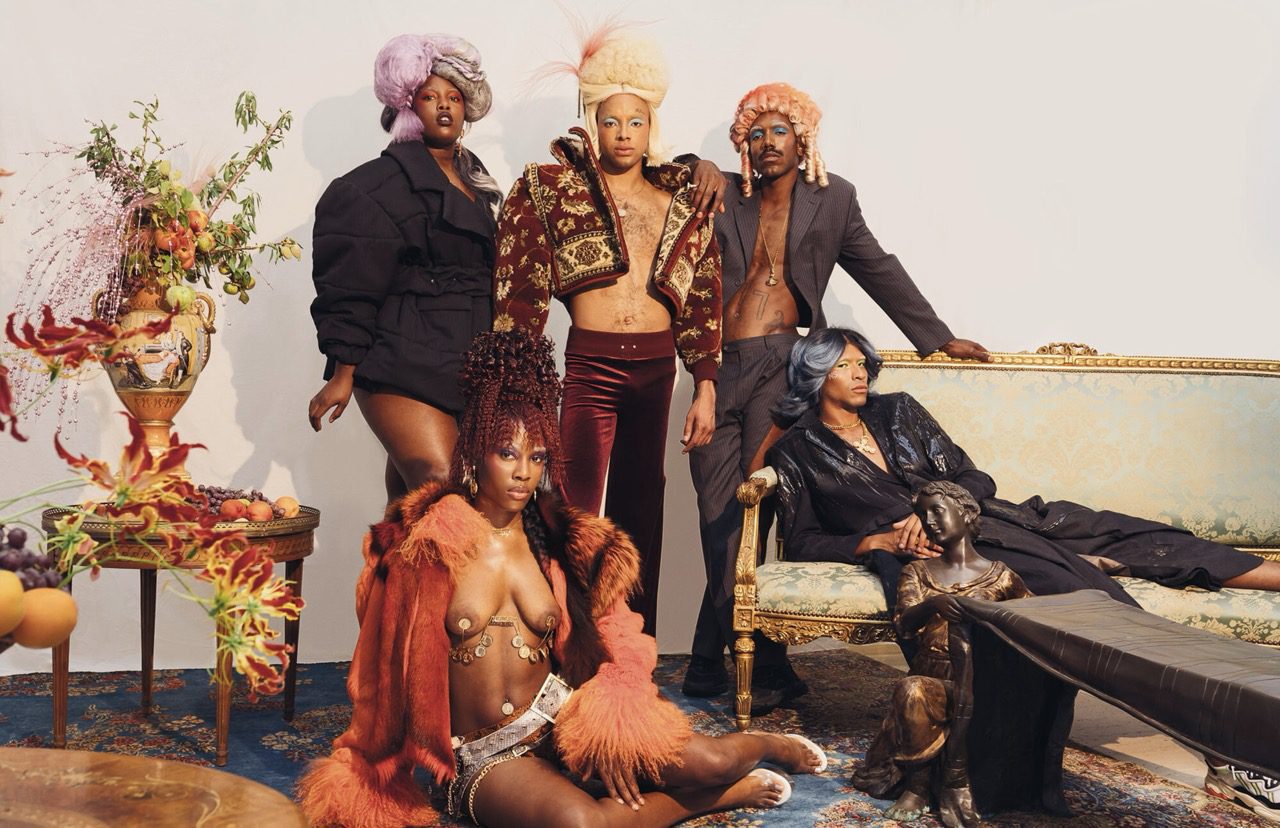
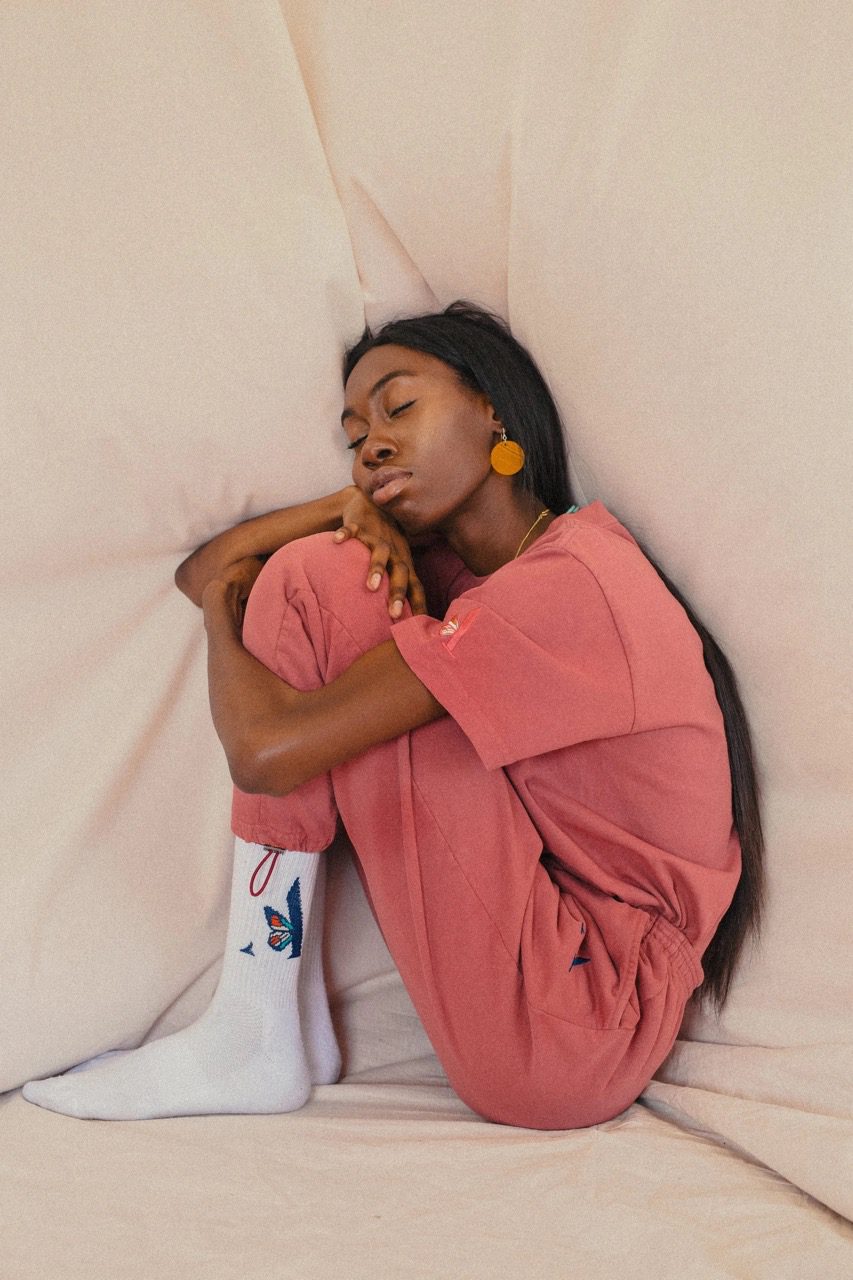
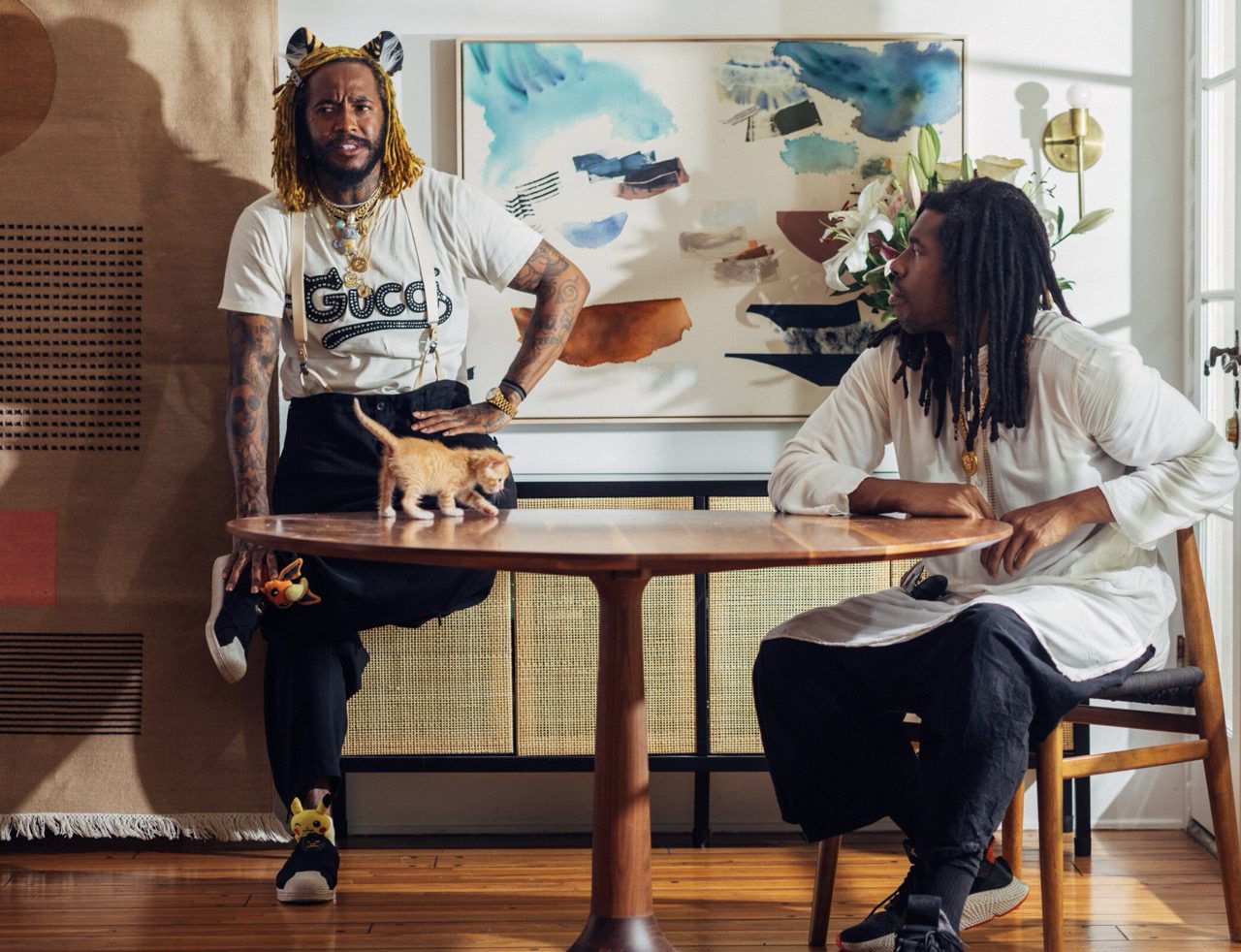
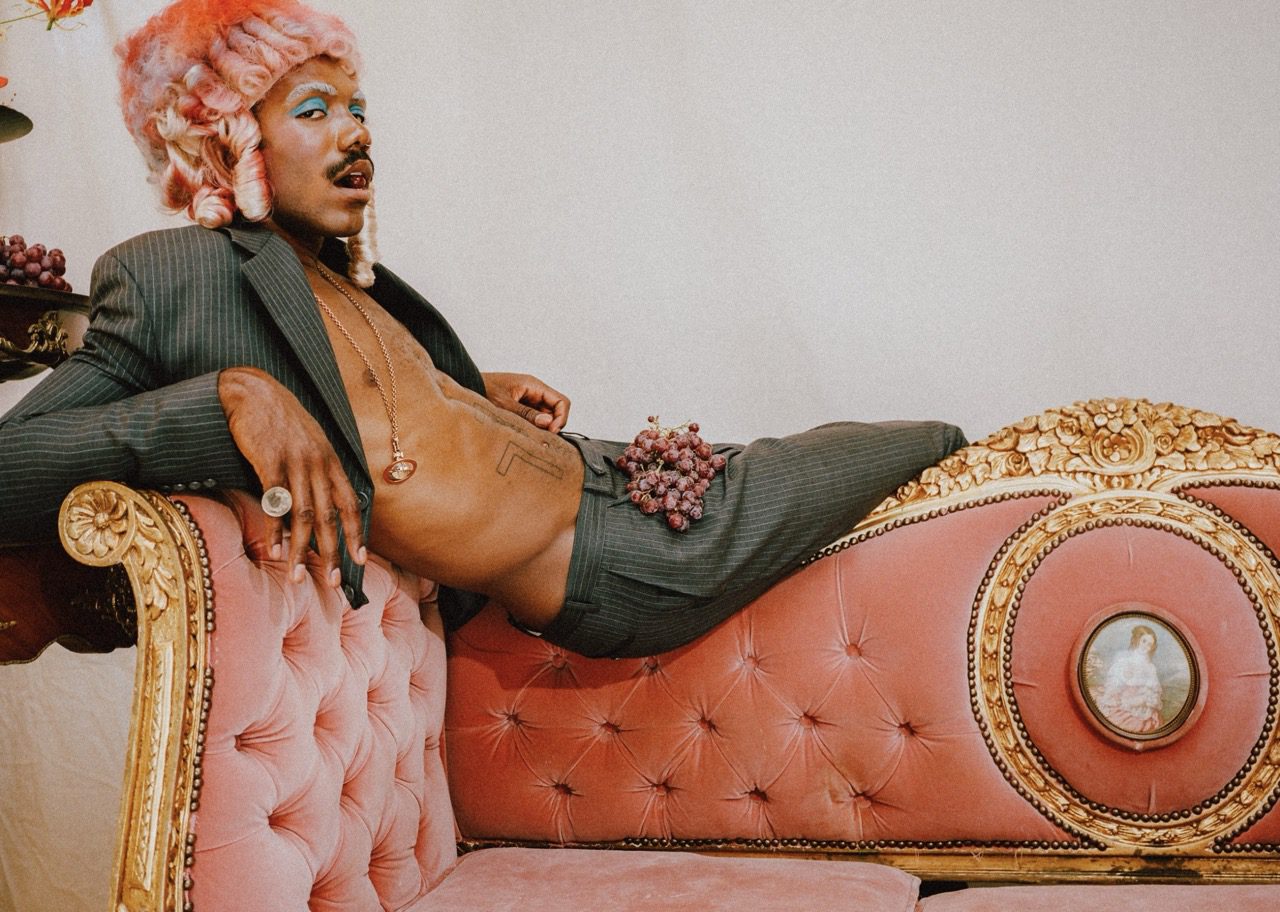
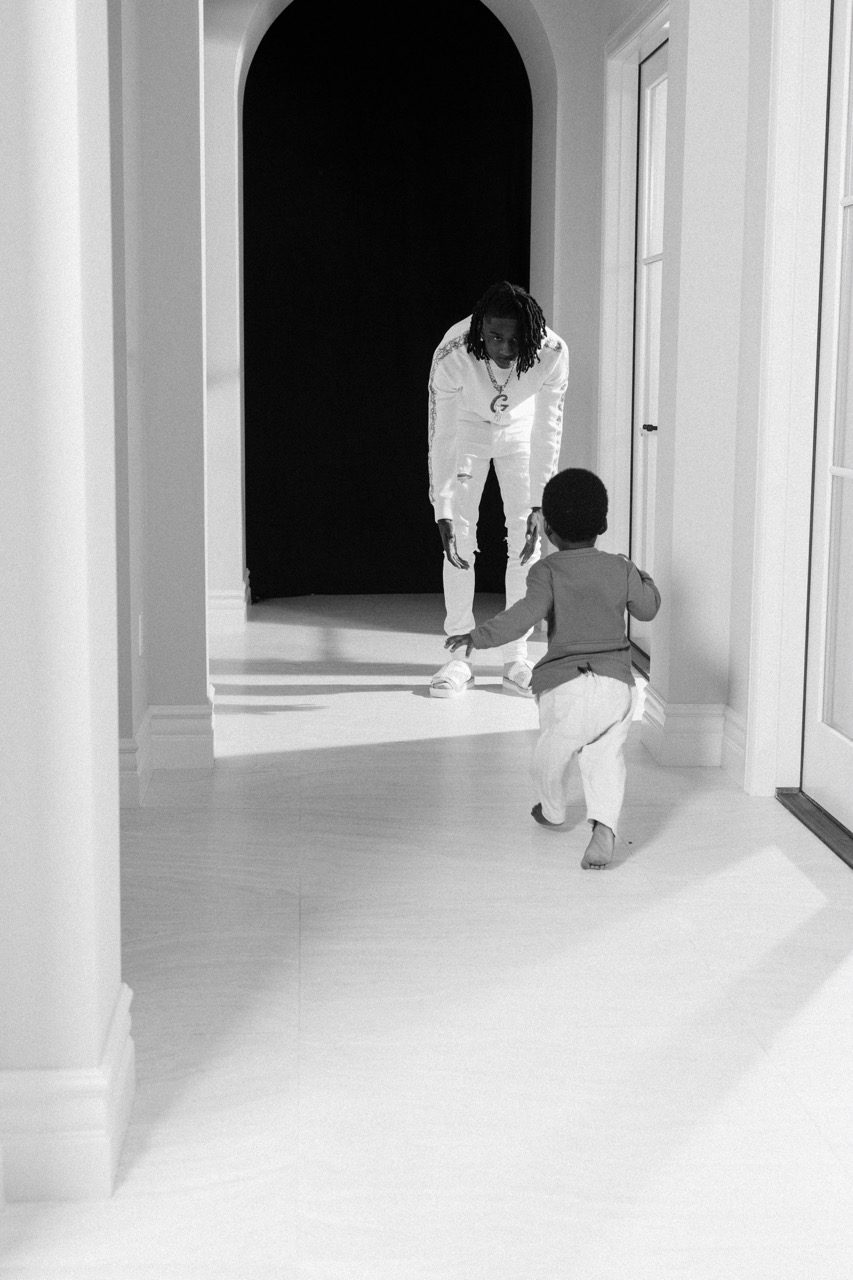
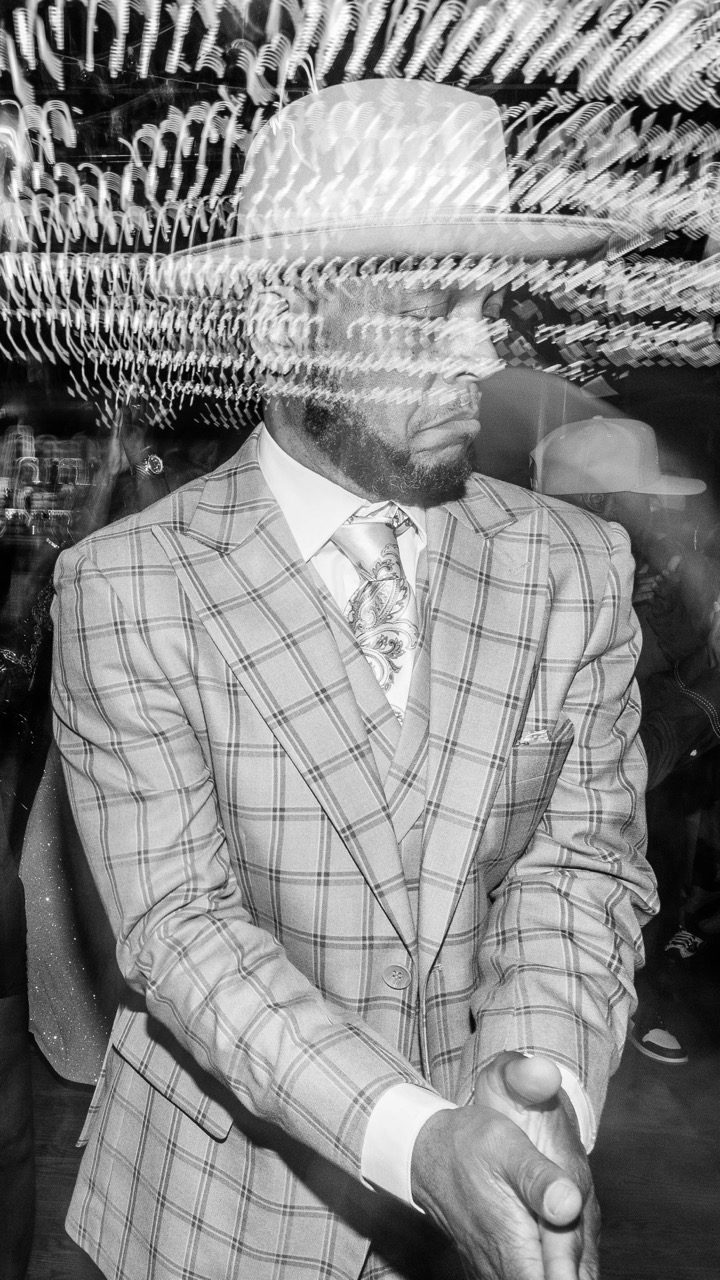
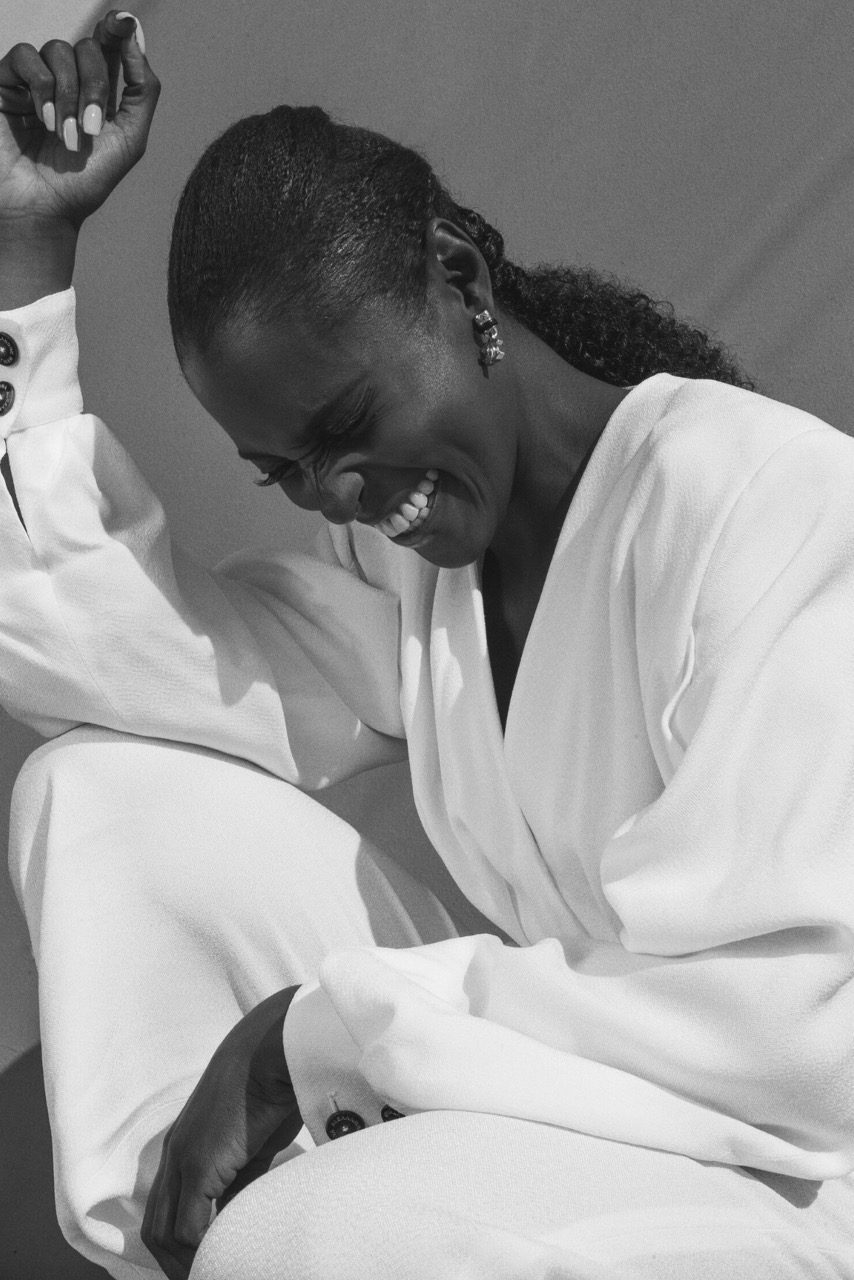
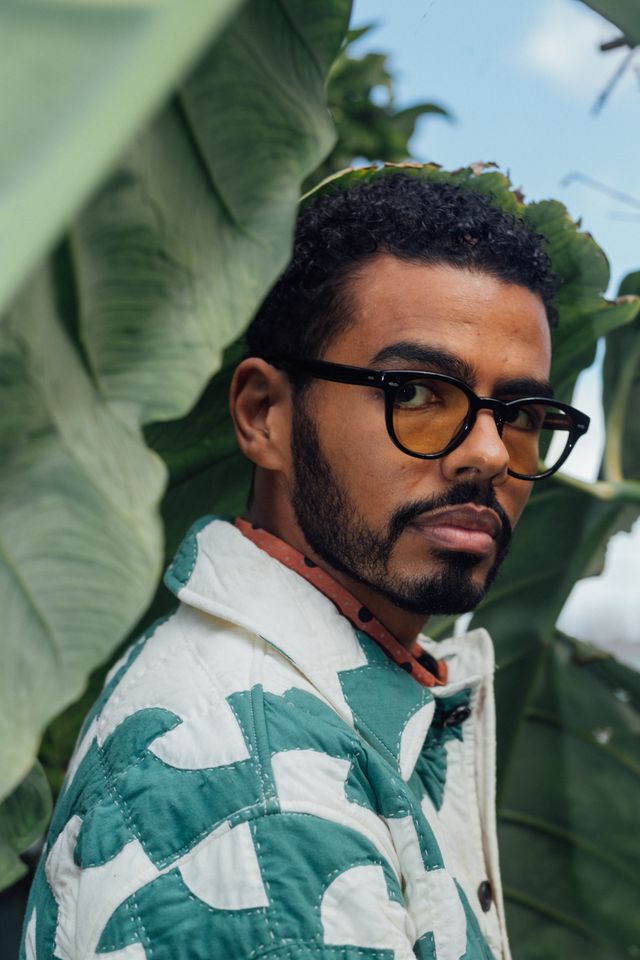
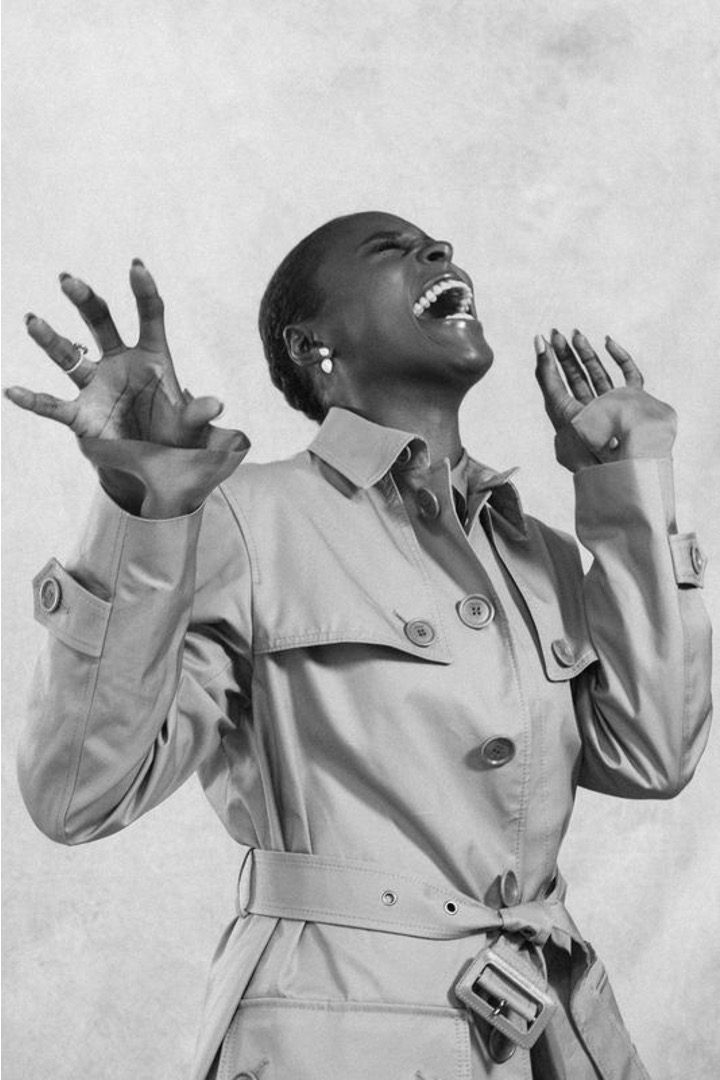
This final gallery opens onto a different register—one shaped by laughter, tenderness, style, and collective presence. Here, joy is not incidental; it is intentional. Trotter’s photographs gather moments of affection and ease, of people seen loving themselves and inhabiting beauty without apology.
In a visual culture that so often reduces Black life to scenes of crisis or survival, this space insists on something else: fullness. These images refuse a narrow framing of Black existence and instead affirm joy as a vital, sustaining force. A shared smile, a carefully chosen outfit, a gesture of care—each becomes an act of resilience, a declaration that Black life is expansive and worthy of delight.
Fashion appears not as spectacle, but as self-authorship. Community emerges not as background, but as grounding. Love—romantic, familial, communal—moves through these photographs as both subject and method. Together, they remind us that beauty lives in the everyday and that pleasure, too, is a form of survival.
This gallery does not deny struggle; it refuses to let struggle have the final word. It offers images that breathe, that rest, that celebrate what it means to be fully human. In doing so, it asks viewers to sit with Black joy not as exception or escape, but as truth—one that has always existed, even in the face of erasure.
To linger here is to witness a radical proposition: that joy itself is a practice of freedom, and that love, in all its ordinary and extraordinary forms, is part of Black life’s enduring legacy.